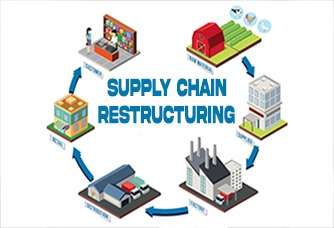
As the war in West Asia continues, the United States is facing a shortage of drugs due to ongoing supply chain disruptions at Baxter International's contract manufacturing site. The USFDA reportedly approached IDMA specifically for Ifofamide, a drug that is crucial in the cure of testicular, bladder, and lung cancer.
Depending on the small number of suppliers, as well as the disruption of transportation of raw materials amid the West Asia war, significantly led to the shortage of medicines. Due to the manufacturing disruption, drugs like Cisplatin and Carboplatin have been affected, as there is limited backup production capacity. This increases the concern regarding the drug shortages, specifically for cancer drugs. As they are life-saving drugs, and this is hard to substitute.
Key Highlights
The shortages of medicine are not new to the US shore. Rather, the US has been widely exposed to its shortages of medicine during COVID-19. Specifically with anesthetics, sedatives, antibiotics, and even the everyday hospital drugs, etc., and these shortages reportedly occur due to the manufacturing problems at specific factories, or shortages of raw materials, or due to sudden demands, especially during outbreaks.
USFDA has asked for potential Indian pharmaceuticals that can supply cancer-specific medicine to the United States. Although Baxter has currently estimated that the reduced capacity of production will continue, it will gradually improve throughout 2026. As the company is currently working with other manufacturers, who are also non-FDA registered Indian manufacturers, to procure the supplies of Ifofamide.
This will, in return, help India to establish more production footprints in India. India is already one of the largest suppliers of medicines, including oncology drugs. This means there will be an increase in exports, thereby increasing contracts and investments.
Sudarshan Jain, the Secretary General of Indian Pharmaceutical Alliance (IPA) says “While the global demands for Indian medicine are strong, the geopolitical tensions still remain when it comes to supply chain operations, however the Indian pharmaceutical ecosystem remains stable and resilient.”
Also Read: Can Private Investment Drive India's Next Airport Growth Phase?
The companies that are likely to be watched by investors include Zydus Lifesciences, which can be an obvious beneficiary due to its presence with ifofamide drug. The API manufacturer of Aarthi Pharmalabs is also a potential beneficiary, through which the production can be multiplied.
Similarly, the other companies that are in focus would be Cipla, Aurobindo Pharma, both has built a strong presence in oncology injectables. Therefore, this could further create opportunities for Indian Pharmaceutical companies, placing them as the world’s largest suppliers.







We use cookies to ensure you get the best experience on our website. Read more...