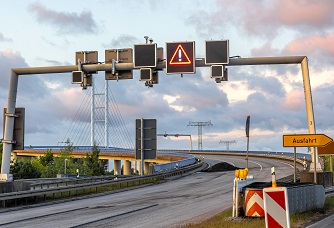
India is set to roll out barrier-free tolling by December, marking a major shift in how highway payments are collected.
Union Minister Nitin Gadkari announced that the new system will remove physical toll booths and barriers, allowing vehicles to pass through without stopping. The move builds on the existing FASTag system but adds AI-powered cameras to make the process fully seamless.
Under the new setup, vehicles will be tracked using automatic number plate recognition (ANPR) cameras along with FASTag sensors.
As a car moves along the highway, the system will identify it instantly and deduct toll charges directly from the linked account. This model, known as Multi-Lane Free Flow tolling, is already used in several countries and is designed to eliminate congestion at toll plazas.
Also Read: Why Waste Must Become a Core Material in Road Construction
The government says barrier-free tolling in India will reduce travel time, cut fuel wastage, and improve efficiency on national highways. Long queues at toll booths have been a major issue, especially during peak hours, leading to delays and higher logistics costs. By removing stoppages, the new system aims to keep traffic moving smoothly.
Officials also highlighted that the transition will be gradual, with pilot projects already underway. The system’s success will depend on accurate vehicle identification and proper FASTag usage. Vehicle owners will need to ensure their FASTag accounts are active and have sufficient balance to avoid penalties.
This shift reflects a broader push toward smarter, tech-driven infrastructure across the country. If implemented effectively, it could transform highway travel, making it faster and more predictable for millions of commuters.

.jpg "AR Enterprises: Building The Supply Networks Behind India's Construction Growth")
.jpg "Industrial Packers: Engineering Industrial Packaging for India's Manufacturing Future")




We use cookies to ensure you get the best experience on our website. Read more...