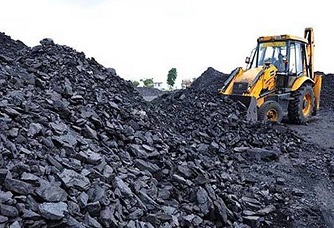
India’s coal-to-chemicals push mirroring China’s energy strategy is gaining attention as policymakers explore new ways to strengthen the country’s energy security and reduce dependence on imports.
With rising uncertainty in global fuel markets and supply disruptions becoming a growing concern, India is studying China’s coal-based industrial model to see whether similar approaches can support domestic industries and long-term energy needs.
The renewed interest comes at a time when geopolitical tensions and fluctuating oil and gas supplies have exposed the risks of relying heavily on imported energy. China has spent years developing a large coal-to-chemicals ecosystem that converts coal into products such as fuels, fertilisers, methanol production and petrochemical raw materials. This has helped Beijing reduce external dependence and improve supply stability, something India is now closely evaluating.
Coal-to-chemicals technology allows coal to be transformed into products that are essential for industries including agriculture, manufacturing and transportation. For India, this could reduce imports of natural gas, industrial chemicals and support domestic manufacturing growth. With coal reserves available domestically, policymakers see an opportunity to create more value from existing resources instead of depending entirely on overseas supplies.
Also Read: Andhra Shipbuilding Cluster to Anchor India's Fleet Push
At the same time, experts caution that following China’s model will not be easy. China invested heavily over decades to build advanced infrastructure, industrial clusters and specialised technologies for coal conversion. India still faces several challenges, including access to advanced technology, project financing and environmental concerns. In addition, the higher ash content in Indian coal makes conversion processes more difficult and potentially more expensive.
Even so, India has already started moving in this direction. The government has announced support for coal gasification and methanol-related projects as part of efforts to lower import dependence and strengthen domestic industries. Industry experts believe these initiatives could help India make better industrial use of coal while supporting sectors that rely heavily on imported raw materials.
The discussion also reflects the larger reality of India’s energy transition. While investments in renewable energy, including solar, wind and green hydrogen, continue to grow rapidly, coal still remains an important part of the country’s energy mix. As India balances economic growth with energy security, policymakers are looking at ways to use coal beyond electricity generation.
Supporters of the strategy argue that a stronger coal-to-chemicals industry could improve supply chain stability, reduce exposure to international fuel shocks and strengthen India’s industrial competitiveness. They believe that with the right technology and environmental safeguards, coal can continue playing an important role in the economy.
However, critics warn that increasing investments in coal-related industries could make it harder for India to meet climate targets. Environmental groups argue that while such projects may offer short-term benefits, long-term sustainability and carbon reduction goals must remain a priority.
For now, India’s growing interest in China’s coal handbook reflects a practical approach to energy planning — one focused on balancing energy security, industrial growth and the transition toward cleaner alternatives.

.jpg "AR Enterprises: Building The Supply Networks Behind India's Construction Growth")
.jpg "Industrial Packers: Engineering Industrial Packaging for India's Manufacturing Future")




We use cookies to ensure you get the best experience on our website. Read more...