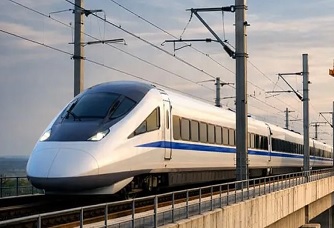
India's Bullet Train dream has taken a fresh turn. The country will now begin operations with an indigenous high-speed train instead of waiting for Japan's next-generation E10 model.
The decision keeps the Mumbai-Ahmedabad project on track. It also strengthens India's Make in India push. The Bullet Train project will continue with Japanese support.
However, the first trains will now be built in India. The move comes after both countries agreed that waiting for the E10 could delay the project's launch.
The decision was taken jointly by India and Japan. Both sides agreed that the project should stay on schedule. Japan's E10 train is still under development. It is expected to be ready only in the early 2030s. India did not want to delay commercial operations until then.
The Mumbai-Ahmedabad High-Speed Rail Corridor remains India's first bullet train project. The corridor is being developed with Japanese technology and financial support.
Under the revised plan:
Officials believe this approach offers the best of both worlds. India can meet its launch target while preparing for advanced Japanese technology later. The move also supports the government's goal of building advanced railway technology within the country.
Also Read: Vande Bharat 2026: Redefining Rail Safety and Engineering Standards
The E10 Shinkansen is Japan's next-generation high-speed train. However, it is still in the design and development phase. The first operational section of the project is targeted for 2027. Waiting for the E10 would have pushed back that deadline.
Instead, India will use a locally developed train that meets required safety and performance standards. Japan will continue to provide technical expertise for the project.
Another important decision involves the signaling system. Both countries agreed to use a globally compatible signaling system. This will ensure future trains can operate smoothly on the corridor.
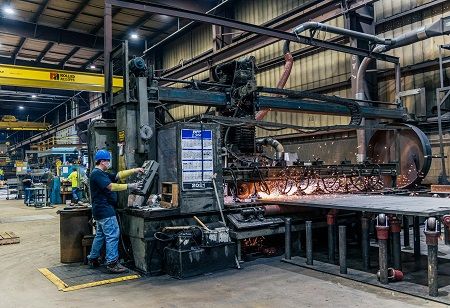
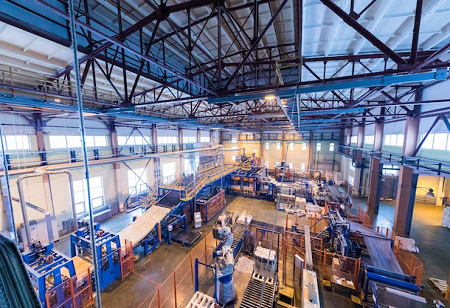
The decision gives a major boost to Make in India. It also reflects India's growing confidence in developing advanced railway technology. The project is expected to improve domestic manufacturing and engineering capabilities. It may also create new opportunities for Indian suppliers.
The National High Speed Rail Corporation Limited will continue overseeing the construction of the corridor. Work on civil structures, bridges, stations, and tracks is progressing across several sections. Despite reports suggesting differences between India and Japan, both governments have dismissed such claims. They have said discussions remain positive. They also confirmed that cooperation on the project continues without disruption.
The revised strategy shows that both countries remain committed to completing India's first high-speed rail network. India will move ahead with its homegrown train while keeping the door open for Japan's advanced E10 technology in the future.
The decision allows the project to stay on schedule. It also helps India build long-term expertise in high-speed rail manufacturing while maintaining its strategic partnership with Japan.






We use cookies to ensure you get the best experience on our website. Read more...