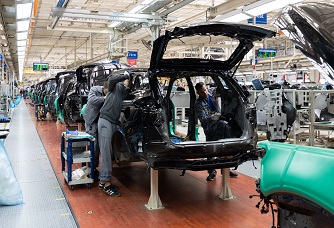
Honda-Tata Technologies partnership is putting India’s automotive engineering ecosystem at the center of Honda Motor’s cost-reduction strategy.
According to a credible source, Honda aims to reduce vehicle-development costs by up to 20 percent and halve development time from around five years through its partnership with Tata Technologies.
The move comes as Honda reworks its India strategy after struggling with a limited product portfolio and declining market share.
The more important question, however, is whether India’s engineering talent, local supplier base and product-development capabilities can deliver the cost and speed advantages Honda now needs.
That could determine whether India becomes more than a manufacturing base for Honda.
The partnership represents a significant change in Honda’s traditional approach to vehicle development. Tata Technologies was selected partly because of its access to a broad network of local suppliers and its ability to develop vehicles around Indian customer preferences and spending patterns.
Honda is expected to retain control over technology, connectivity, driver-assistance systems and quality standards.
This creates an opportunity to reduce costs earlier in the product-development cycle rather than relying primarily on cost reductions after a vehicle has already been engineered.
Local engineering teams can potentially align vehicle specifications, components and manufacturing requirements more closely with Indian market conditions.
For Tata Technologies, the engagement also strengthens its position as an automotive engineering partner capable of taking on more comprehensive vehicle-development programs.
The company had previously disclosed a full vehicle-development program with a Japanese automotive OEM without naming the customer.
Also Read: Hybrid Power & Tech Solutions for Sustainable Manufacturing Growth
The bigger test will be localization. According to sources, Honda’s Japanese managers had preferred established suppliers for quality and consistency, while its India team pushed for greater use of local suppliers to reduce costs and accelerate development.
Honda disputes the characterization of this as an internal disagreement, but the supplier question highlights the challenge facing the new model.
Tata Technologies’ local supplier access could help Honda design vehicles around components that are already available competitively in India. This could reduce engineering changes, sourcing complexity and dependence on higher-cost global components.
However, localization alone will not guarantee a 20 percent reduction. Honda will still need suppliers capable of meeting its quality, reliability and technology requirements at competitive volumes.
The first major test will be Honda’s sub-4-metre SUV planned for 2028. Honda has confirmed that it intends to introduce India-focused models from 2028 in the sub-4-metre and mid-size categories, with specifications tailored to Indian customer preferences.
That makes the program important beyond Honda’s own recovery.
If Tata Technologies can help develop a vehicle faster and at a lower cost while meeting Honda’s quality requirements, it could demonstrate that Indian engineering companies can influence global OEM product-development decisions, not merely provide supporting services.
The approach could also strengthen India’s position as an automotive engineering hub. Earlier reporting has highlighted the growing use of Indian engineering firms by global automakers to shorten development cycles and lower costs.
Honda’s longer-term opportunity is to connect engineering localization with manufacturing and exports. A successful first vehicle could create opportunities for Honda to export from India.
For India, the significance therefore extends beyond Honda’s market-share recovery. A successful program could create more demand for local component suppliers, engineering services and vehicle-development capabilities.
The partnership will ultimately be judged by whether India can help the automaker achieve its 20 percent cost-reduction and 50 percent development-time targets without compromising Honda’s traditional quality standards.
That would make Tata Technologies role a potential test case for a broader shift towards India-led automotive product development.






We use cookies to ensure you get the best experience on our website. Read more...