India is exploring new opportunities with Russia to strengthen its access to critical minerals, fertilizers, and mining resources as part of a broader economic cooperation strategy.
The Critical Mineral Challenge has become a key concern for India as the country accelerates its manufacturing growth, energy transition, and electric vehicle ambitions.
Addressing the Critical Mineral Challenge is now a strategic priority, prompting India to look at resource-rich nations such as Russia for long-term supply security and investment opportunities.
The initiative comes under the proposed “Making in Russia for India” framework, which aims to encourage Indian companies to establish joint ventures and partnerships in Russia to secure essential raw materials and fertilizer supplies. The move reflects India's growing focus on building resilient supply chains amid rising global competition for strategic resources.
Also Read: Hydrogen Storage Innovations Are Driving India's Clean Energy Push
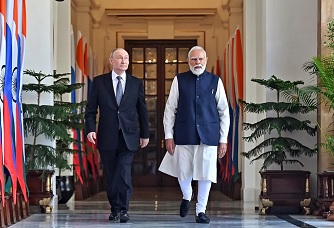
India's Ambassador to Russia, Vinay Kumar, highlighted the need to expand cooperation between the two countries in sectors such as fertilizers, critical minerals, mining, and rare earth resources. The proposal seeks to leverage Russia's vast natural resource reserves while meeting India's increasing demand for key industrial inputs.
Critical minerals have emerged as a strategic asset globally due to their role in manufacturing batteries, electric vehicles, renewable energy technologies, electronics, semiconductors, and defense equipment. Minerals such as lithium, cobalt, nickel, copper, and rare earth elements are essential for modern industries and future technologies.
Russia possesses some of the world's largest reserves of several critical minerals, making it an attractive partner for India. Through joint ventures, Indian companies could gain access to mining projects, processing facilities, and long-term supply agreements that support domestic manufacturing and industrial growth.
The “Making in Russia for India” concept is designed to encourage Indian businesses to invest directly in Russian projects and produce resources specifically for Indian consumption. Such an approach could help reduce India's dependence on a limited number of global suppliers while diversifying sourcing channels.
The discussions also align with India's broader efforts to secure overseas mineral assets. The government has been actively encouraging public and private sector companies to participate in international mining projects to ensure a stable supply of critical raw materials for future industrial requirements.
Apart from critical minerals, fertilizers remain a major area of cooperation between India and Russia. India is one of the world's largest consumers of fertilizers, and ensuring uninterrupted access to key fertilizer inputs is essential for the country's agricultural sector.
Russia has long been a significant supplier of fertilizers and fertilizer raw materials to India. Expanding joint ventures in this segment could help strengthen supply security and reduce vulnerabilities caused by geopolitical disruptions, trade restrictions, or fluctuations in international markets.
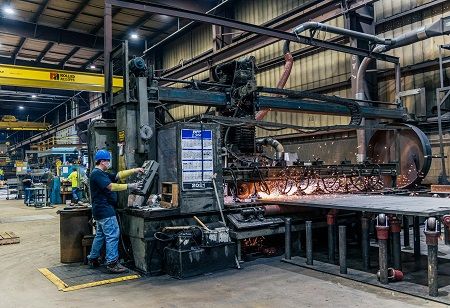
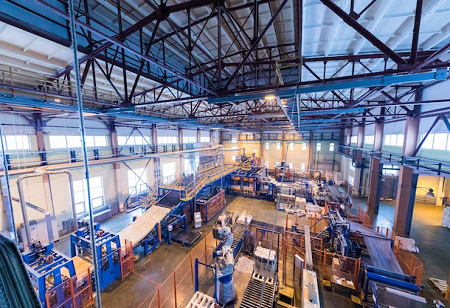
The proposed partnerships could cover exploration, extraction, processing, and logistics operations. Industry experts believe such collaborations would provide Indian companies with greater control over supply chains while improving access to essential resources at competitive costs.
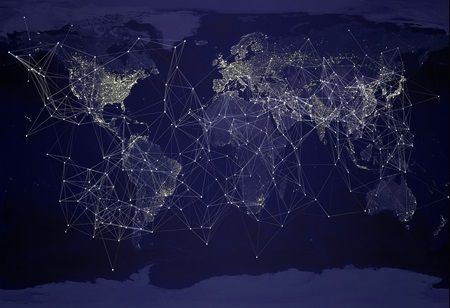
The growing cooperation between India and Russia comes at a time when countries worldwide are racing to secure critical mineral resources. Governments are increasingly prioritizing resource security as demand rises sharply due to the global shift toward clean energy technologies and advanced manufacturing.
For India, securing access to critical minerals is crucial to achieving its ambitions in electric mobility, renewable energy, electronics manufacturing, and the broader Make in India initiative. Strategic partnerships with resource-rich nations can help support these goals while reducing exposure to supply chain disruptions.
However, challenges remain. Geopolitical uncertainties, sanctions-related concerns, financing requirements, infrastructure development, and long project timelines could affect the pace of implementation. Despite these hurdles, both countries appear committed to deepening economic cooperation in sectors that are vital to long-term growth and industrial development.
If successfully implemented, the proposed India-Russia collaborations could create a more secure and diversified supply network for critical minerals and fertilizers, supporting India's manufacturing expansion and resource security objectives for years to come.
India and Russia share a long-standing economic partnership spanning energy, defense, pharmaceuticals, fertilizers, mining, and infrastructure development. In recent years, both nations have increased efforts to expand collaboration in critical minerals, technology, logistics, and manufacturing to support long-term economic growth and supply chain resilience.
.jpg "Textile Special")


We use cookies to ensure you get the best experience on our website. Read more...