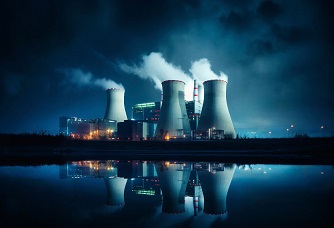
The Bharat Small Reactor program is emerging as an important part of India's strategy to expand nuclear power for energy-intensive industries.
Discussions at the 20th India Energy Summit have brought attention to the practical requirements for launching the program, including industrial participation, specialized manufacturing capabilities and project execution.
The initiative envisages 220 MW pressurized heavy water reactors that industries could use to meet their captive electricity requirements.
However, moving from initial interest to committed projects remains a crucial step in determining how quickly the model can be adopted across Indian industry.
The program additionally aligns nuclear energy development with India’s broader manufacturing goals, as reactor deployment requires engineering expertise, qualified suppliers and infrastructure that meets nuclear sector standards.
The Nuclear Power Corporation of India Limited (NPCIL) invited proposals from energy-intensive industries to finance and build 220 MW BSR projects for their own electricity consumption.
The model intends to attract industrial investment into the nuclear power sector by building on India’s established reactor technology and engineering capabilities.
However, actual participation has not matched initial interest. Hindalco Industries was the only company to send a proposal to NPCIL, despite earlier signs of interest from several other large firms.
This gap highlights several considerations for prospective industrial participants:
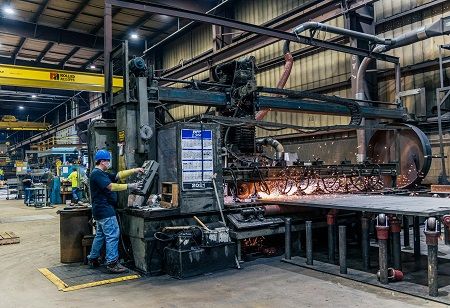
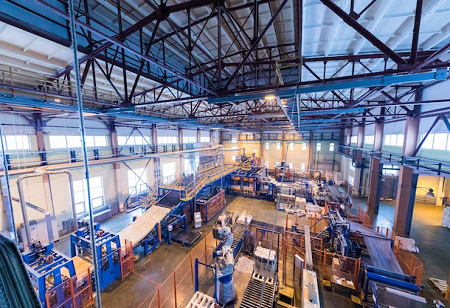
Domestic manufacturing will shape the Bharat Small Reactor program, as large-scale reactor construction requires specialized engineering capabilities, quality standards, and components that meet stringent nuclear safety and reliability requirements.
The challenge is to translate India’s established reactor development experience into a wider, qualified supplier base capable of supporting additional projects.
Potential areas of opportunity for Indian manufacturers include:
However, domestic manufacturing alone does not mean a component will qualify for nuclear use. Suppliers must meet technical specifications, inspection requirements and quality standards.
What Is the Timeline for India's Small Reactor Plans?
The Bharat Small Reactor initiative is related to, but distinct from, the government's broader Small Modular Reactor (SMR) development program.
Under the Nuclear Energy Mission, the government has allocated Rs 20,000 crore for SMR research, development and deployment, with a target of operationalizing at least five indigenous SMRs by 2033.
The Department of Atomic Energy has identified designs including the 220 MWe Bharat Small Modular Reactor, a 55 MWe SMR and a high-temperature gas-cooled reactor intended for hydrogen production.
A government update published in August 2026 stated that the lead units would require approximately 60–72 months to establish after receiving administrative and financial sanctions.
This timeline highlights the importance of distinguishing between design development, project approval, construction and commercial operation.
The Bharat Small Reactor program brings together nuclear energy, industrial electricity demand and domestic engineering capabilities.
The project hinges on commitments by interested companies and upon the ability of Indian manufacturers to meet safety and quality requirements of reactor deployment.
For India's industrial sector, the next milestones to watch include additional proposals from prospective users, project approvals, supplier qualification and construction progress.
.jpg "Industrial Manufacturing")






We use cookies to ensure you get the best experience on our website. Read more...