India’s automobile industry is going through a difficult phase, with the Indian auto sector facing challenging times even as long-term demand trends hold steady, according to industry leaders.
Rising raw material costs, global uncertainties, and supply chain disruptions are putting pressure on automakers and component manufacturers. However, despite these near-term concerns, industry experts believe India’s growing mobility needs and consumer aspirations will continue to support long-term growth in the sector.
The Indian auto industry is currently dealing with several short-term challenges that are affecting production and profitability. Speaking about the sector’s outlook, Nirmal Minda, President of ASSOCHAM, said the industry is navigating a tough environment due to inflationary pressures, fluctuating commodity prices, and external economic risks.
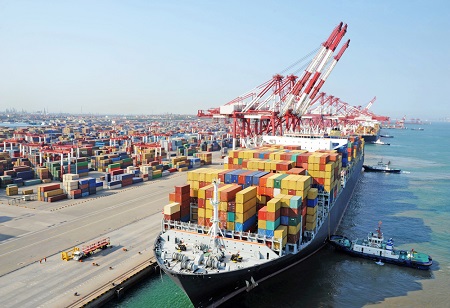
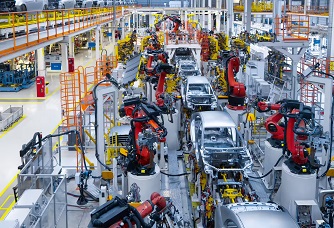
Higher costs of metals, energy, and logistics have increased operational expenses for both vehicle manufacturers and auto component suppliers. These rising costs have forced companies to rethink production strategies while trying to avoid passing a major financial burden onto customers. Many automakers are being cautious with vehicle price increases to ensure consumer demand remains unaffected.
Also Read: India's Solar Sector Seeks Higher Power Price Cap
At the same time, geopolitical tensions and global supply chain disruptions continue to impact manufacturing schedules and sourcing of critical components. Smaller suppliers within the automotive ecosystem are also facing pressure from rising labour and input costs, leading to calls for stronger support from larger manufacturers and original equipment makers.
Even amid these difficulties, industry leaders believe demand has not weakened significantly. The market remains competitive, and companies are focused on balancing affordability with profitability while preparing for future growth opportunities.
Despite near-term challenges, industry stakeholders remain optimistic about the future of the Indian automobile market. According to Minda, long-term demand trends continue to remain positive, supported by rising incomes, increasing urbanization, and growing aspirations for personal mobility across the country.
Demand for passenger vehicles and two-wheeler sales has remained relatively stable, reflecting steady consumer interest despite inflation concerns. Industry experts believe India’s expanding middle class and improved financing access will continue to drive vehicle ownership in both urban and semi-urban regions.
Another major growth driver is the shift toward electric vehicles (EVs). Automakers are steadily increasing investments in EVs, battery technologies, and localized manufacturing to meet changing customer preferences and sustainability goals. Government initiatives promoting EV infrastructure and cleaner transport are also expected to strengthen the sector’s long-term outlook.
The industry is increasingly focusing on innovation, technology integration, and cleaner mobility solutions to stay competitive in a rapidly evolving market. While the current environment may remain challenging due to cost pressures and external risks, companies are preparing themselves for future opportunities.
Looking ahead, the Indian auto sector is expected to remain resilient as manufacturers adapt to changing market conditions. Although short-term obstacles may continue to affect growth, strong domestic demand and structural shifts in mobility are likely to keep the industry on a steady long-term path.
.jpg "Saksham Enterprises: Optimizing Mission- Critical HVAC Infrastructure For The High Precision Sector")

.jpg "JDS Group of Companies: Innovating Smart Solutions For Modern Power Transmission & Distribution Infrastructure")




We use cookies to ensure you get the best experience on our website. Read more...