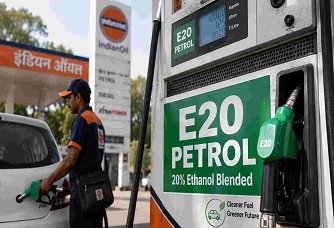
The E20 petrol rollout is facing fresh questions after a new report flagged possible vehicle damage. The report is based on an unpublished ARAI study.
It examined how E20 fuel affects older E10 vehicles. The findings suggest some vehicles could face higher maintenance costs over time. The report also found a drop in fuel efficiency after using the higher ethanol blend.
India is expanding E20 fuel across the country. The move aims to reduce crude oil imports. It also supports cleaner fuel use. However, the latest findings have sparked fresh debate. Experts say more long-term testing is still needed.
The study focused on vehicles designed for E10 petrol. Researchers tested how these vehicles performed with E20 fuel.
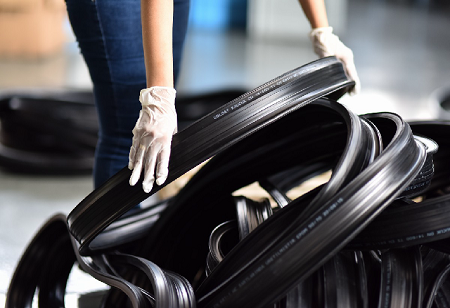
The report found possible damage to rubber fuel system parts after prolonged use. These parts include hoses, seals, gaskets, and O-rings. Over time, they may wear out faster. Owners could eventually need replacements.
The study also checked metal fuel system components. It found no signs of damage. Emission levels also remained within legal limits during testing.
Researchers tested different engines for durability. The results were mixed.
One BS-IV engine completed testing without major problems. A turbocharged BS-VI engine developed issues after 265 hours. One carmaker reported no durability concerns after 400 hours. Another found exhaust valve failure after about 809 cumulative hours.
Experts said durability testing usually runs for nearly 2,000 hours. They believe more testing is needed before reaching final conclusions.
Also Read: Flex-Fuel Guidebook: Accelerating the Ethanol Mobility Revolution
The study also examined fuel consumption. Vehicles using E20 consumed about 2% to 6% more fuel than E10.
This happens because ethanol carries less energy than gasoline. Drivers may notice slightly lower mileage during regular use.
The report also tested two-wheelers from three manufacturers. Their vehicles completed durability testing without major concerns. Performance remained within acceptable levels.
The findings suggest E20 may affect different vehicles differently. Engine design and fuel system materials play an important role.
The report has triggered fresh discussion across the automobile industry. Government officials and several manufacturers have defended E20 fuel.
They have said there is no evidence of widespread engine damage. They also maintain that older vehicles can safely use E20. However, they have accepted that fuel economy may drop slightly because of ethanol's lower energy content.
The latest report does not claim every older vehicle will fail. Instead, it highlights possible risks for certain fuel system components. Those parts may need closer monitoring in older vehicles.
The study is likely to add momentum to the ongoing debate over E20 adoption. It also raises questions about the readiness of older vehicles. Vehicle owners may now look for more clarity before switching completely to E20 petrol.
.jpg "Saksham Enterprises: Optimizing Mission- Critical HVAC Infrastructure For The High Precision Sector")

.jpg "JDS Group of Companies: Innovating Smart Solutions For Modern Power Transmission & Distribution Infrastructure")




We use cookies to ensure you get the best experience on our website. Read more...