 S. Ganesh Mani brings over three decades of experience across global manufacturing, operations, supply chain management, and business transformation. Having held leadership positions at Maruti Suzuki, Hyundai Motor India, and Ashok Leyland, he has played an important role in strengthening manufacturing ecosystems, international operations, and automotive supply chains.
Discussing India's transition toward zero-emission mobility, he highlights how electric vehicles are reshaping urban transportation through cleaner operations, improved efficiency, and lower lifecycle costs. According to him, the transition is being driven by government initiatives such as FAME-I, FAME-II, PM e-Bus Sewa, and PM E-Drive, alongside state-level incentives and improving battery technologies. With nearly 18,000 electric buses already operating across India, he believes the market is moving toward wider commercial adoption. He emphasizes that successful electrification requires more than vehicle deployment.
Charging infrastructure, grid readiness, depot electrification, route planning, and energy management must develop alongside EV adoption. He also points to improving lifecycle economics, noting that electric buses can offer savings of more than Rs 5 per kilometer compared with diesel buses over a 12-year operating cycle in city applications. Advances in battery technology, predictive diagnostics, connected vehicle platforms, and faster charging are further improving fleet utilization, reliability, and operational efficiency.
“India’s success in zero-emission mobility will depend on how effectively we align policy consistency, infrastructure readiness, and ecosystem-wide collaboration at scale.”
Looking ahead, Ganesh believes India's success in zero-emission mobility will depend on consistent policies, infrastructure readiness, and stronger collaboration across the automotive ecosystem. He highlights the need for reliable charging networks, improved grid capacity, accessible financing, and greater confidence in vehicle residual values to address barriers to commercial EV adoption. While upfront acquisition costs and concerns around range, charging availability, and uptime continue to influence purchasing decisions, he believes growing operational experience and better lifecycle economics will gradually strengthen market confidence.
As India moves toward 2027, its automotive industry is expected to enter a defining phase, with rising vehicle demand, expanding electric mobility, and increasing investments in advanced technologies creating new growth opportunities. However, sustaining this momentum will require more than higher production and sales. Stronger charging infrastructure, reliable supply chains, continued localization, skilled talent, and closer collaboration across the automotive ecosystem will be essential to address emerging challenges.
The perspectives of these industry leaders underline that India's mobility transition will depend on its ability to balance innovation with affordability, sustainability, and customer expectations. As the country strengthens its position as a global automotive manufacturing and technology hub, the decisions made today will play a significant role in shaping a more connected, efficient, and future-ready mobility landscape by 2027 and beyond.



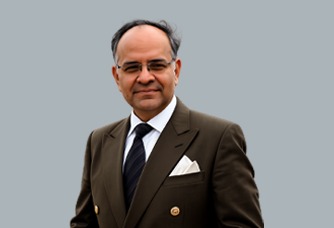
.jpg "Building EV Bus Ecosystems for India's Clean Mobility Goals")
We use cookies to ensure you get the best experience on our website. Read more...