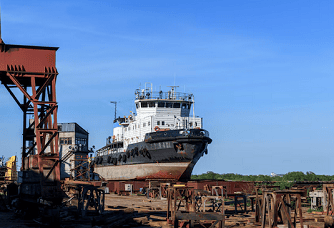
Tamil Nadu on Wednesday unveiled its bold new Shipbuilding Policy 2026 with the goal of making the state a major player in mega vessel manufacturing and the global shipbuilding ecosystem.
Announced by Chief Minister M K Stalin, the policy is designed to attract large investments, build cutting‑edge maritime infrastructure and grow the blue economy by drawing global shipyards to the state’s shores.
The Shipbuilding Policy 2026 aims to create world‑class shipbuilding clusters in Tamil Nadu that cover everything from constructing large commercial ships to repair, recycling and marine engineering. Officials say the policy could put the state at the forefront of India’s maritime industry and strengthen the country’s footprint in global shipping markets.
The announcement came as part of a larger development push by the state government this week. Alongside the shipbuilding policy, the administration signed major MoUs and unveiled projects worth thousands of crores aimed at boosting industrial growth.
Also Read: Smart Manufacturing: From Connected Units to Cognitive Businesses
Chief Minister Stalin said the policy will tap Tamil Nadu’s natural coastal advantages — including a long coastline and deep‑water access — to serve shipbuilders and marine manufacturers. With a coastline spanning more than 1,000 kilometers that can handle vessels above 200,000 deadweight tonnage (DWT), the state is well positioned to host mega shipyard facilities.
Madhu S. Nair, Chairman & Managing Director, Cochin Shipyard Limited – Speaking at the Kochi Shipbuilding Summit 2025, he called shipbuilding a “mother industry” that drives broader economic growth, employment, and technological progress in India’s maritime ecosystem.
According to Tamil Nadu’s Industries Minister T R B Rajaa, this is not just about building ships but about creating an entire maritime manufacturing ecosystem. The policy is expected to attract foreign and domestic investors, promote sustainable ship technologies, and boost employment in coastal regions.
A key focus of the policy is sustainability. Tamil Nadu is encouraging the development of green vessels, including those powered by alternative fuels like green hydrogen and ammonia, and plans to support eco‑friendly ship recycling clusters certified under international environmental standards. These moves align with broader national and global efforts to reduce carbon emissions in shipping.
To support this ambitious agenda, the state is offering a mix of incentives and investment support. These include options for equity participation, asset leasing, capital subsidies, and production‑linked incentives to make the economics more attractive for large shipyards and marine manufacturing players.
The policy also places a strong emphasis on developing a skilled workforce. Institutions such as the Indian Maritime University and a planned Shipbuilding Skill Council will offer training in advanced maritime technologies, robotics, digital ship design and Industry 4.0 standards.
By bringing together investment support, infrastructure development, sustainability goals, and skill development, the Shipbuilding Policy 2026 aims to give Tamil Nadu a competitive edge in global shipbuilding. The state hopes to attract major shipyards capable of building large commercial vessels, defense craft, offshore structures and specialized marine equipment.
This new policy represents a major step in realizing India’s broader maritime ambitions at a time when the national government and industry players are pushing to expand the country’s presence in the global shipbuilding market.
Data & Key Highlights from Shipbuilding Policy 2026
The policy will be valid for five years and is expected to gradually transform Tamil Nadu’s maritime industry, boost local jobs and position the state as a top destination for shipbuilding investment.
.jpg "Precise Fasteners: Committed To Fulfilling Client Expectations, Every Time!")


We use cookies to ensure you get the best experience on our website. Read more...