The Kamala Hydro Project moved a step closer to reality today after the Public Investment Board (PIB) approved an investment of over ₹26,000 crore for the large hydropower project in Arunachal Pradesh.
The ruling is a significant milestone to the renewable energy pipeline in India and enhances the effort by the nation towards long-term energy security using clean energy.
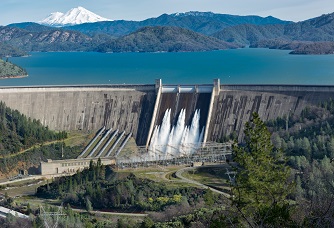
The Kamala Hydro Project has been planned with a total installed capacity of 1,720 MW and will be constructed on the Kamala River, which is a tributary of the Subansiri. The storage based project is not only intended to produce power, it also aims at assisting in the control of floods in the lower regions of the Brahmaputra basin. It will generate approximately 6,870 million units of electricity per year once it is operational and this will contribute to a huge baseload to the national grid.
Also Read: How Ready Mix Concrete Strengthens Climate Resilient Cities
The project will be on a build own operation transfer model where NHPC will have a 74 percent stake and the Government of Arunachal Pradesh owns the remaining 26 per cent. The overall project cost inclusive of financing is about 26,070 crore and debt equity ratio is 70:30. The league tariff is estimated at approximately 5.97 per unit in line with the industry standards in big hydro plants.
The project will also involve a 216-meter concrete gravity dam and an underground powerhouse, and the estimated time of completion will be eight years. In addition to power generation, the Kamala Hydro project is projected to provide stable revenue to the state in the form of free power, local development funds, job creation and this strengthens its strategic significance to the power sector and the economic growth of the region in general.
.jpg "Precise Fasteners: Committed To Fulfilling Client Expectations, Every Time!")




We use cookies to ensure you get the best experience on our website. Read more...