 The crisis highlights the need for stronger Indian export logistics during geopolitical tensions. Businesses must adapt quickly when global trade conditions change.
Many exporters are now taking practical steps to reduce disruption.
Some common strategies include:
These measures are becoming essential for companies exporting from India during trade disruptions.
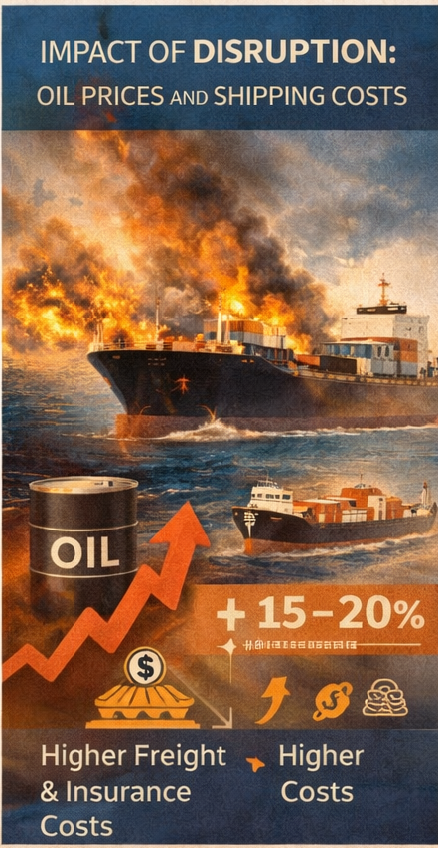
Geopolitical tensions also affect cargo insurance. When trade routes become risky, insurance companies often increase premiums. Higher insurance costs add to West Asia Crisis shipping surcharges already affecting exporters.
Businesses are now paying closer attention to risk management in their export operations. Many exporters are reviewing their cargo insurance policies regularly to ensure adequate coverage during uncertain shipping conditions. They are also updating logistics contracts with buyers and shipping agents to address possible delays or route changes. In addition, companies are preparing backup shipment plans so that goods can still move if primary routes become unavailable. Managing risk has therefore become an important part of international trade operations.
The Indian government is closely monitoring the Impact of West Asia Crisis on Indian Exports. Trade authorities are working with exporters and logistics providers to understand the scale of disruptions.
Possible measures to support exporters include:
Such initiatives can help reduce the global trade impact of West Asia conflict on Indian businesses.
Also Read: What's Driving LNG Adoption in India’s Commercial Transport
Indian exporters can take several steps to protect their supply chains during periods of disruption.
Relying on a single route increases risk. Exporters should explore multiple routes whenever possible.
Strengthen Logistics Partnerships
Working with experienced freight forwarders helps exporters stay informed about route changes and port conditions.
Better planning can reduce the effects of Indian exports shipping delays.
Recommended practices include:
Diversifying export markets can reduce dependence on routes affected by geopolitical tensions.
The global trade impact of West Asia conflict may reshape supply chains in the coming years. Many companies are reconsidering how goods move across international markets.
Some long term trends may include:
For India, adapting to these changes will be important for maintaining export growth.
The Impact of West Asia Crisis on Indian Exports is already visible across several sectors. Exporters are facing higher freight costs, route diversions, and uncertain delivery schedules.
Understanding how West Asia crisis affects Indian exports shipping surcharges and delays helps businesses prepare for these challenges. Companies that adapt their logistics strategies will be better equipped to handle disruptions.
With careful planning, stronger logistics partnerships, and supportive policies, exporters can manage the impact of West Asia crisis on Indian export logistics and shipping rates while continuing to compete in global markets.
How does the West Asia crisis affect Indian exports?
The crisis disrupts important maritime trade routes that connect India with global markets. Shipping companies may reroute vessels or add risk related surcharges when tensions increase. This leads to higher freight costs and longer delivery times for exporters. As a result, businesses must adjust logistics planning and delivery commitments.
Which sectors are most affected by West Asia trade disruption?
Industries that rely heavily on maritime transport are the most affected. These include textiles, engineering goods, and agricultural exports. Delays can disrupt production schedules and supply chains for international buyers. Perishable products face additional risks when shipping timelines become longer.
How can exporters manage shipping delays?
Exporters can manage delays by planning shipments earlier and building flexibility into delivery schedules. Working with reliable logistics partners helps businesses stay updated on route changes and port conditions. Many companies also use digital tracking systems to monitor cargo in real time. These steps help reduce uncertainty during trade disruptions.







We use cookies to ensure you get the best experience on our website. Read more...