India's infrastructure sector is emerging as one of the strongest drivers of economic growth.
From metro rail networks and airports to highways and industrial corridors, major projects are changing how people and businesses move across the country.
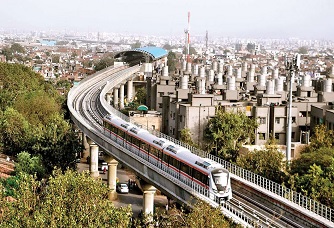
The latest example is the Union Cabinet's approval of a Rs 2,169 crore Ahmedabad Metro airport extension project. This development highlights why infrastructure is becoming India's biggest growth story, as the government continues to invest in connectivity and urban development.
The newly approved project will extend the Ahmedabad Metro network by 6.03 kilometers, connecting Koteshwar Road with Sardar Vallabhbhai Patel International Airport. The extension is expected to improve public transport access to the airport while supporting economic activity in and around the city.
The Union Cabinet has approved Phase 2A of the Ahmedabad Metro Rail Project at an estimated cost of Rs 2,169.04 crore. The new corridor will provide direct metro connectivity to Ahmedabad airport, making travel easier for residents, tourists, and business travelers.
Key highlights of the project include:
Once completed, the extension will become an important part of the city's public transport system and help improve last-mile connectivity to one of Gujarat's busiest transport hubs.
The project is also expected to support future passenger growth at the airport while reducing dependence on private vehicles and taxis.
Also Read: Hydrogen Storage Innovations Are Driving India's Clean Energy Push
Large-scale infrastructure projects play a major role in supporting economic development. Better transport systems reduce travel time, improve logistics, and create new opportunities for businesses and investors.
The Ahmedabad Metro airport extension reflects a broader trend across India, where governments are focusing on improving connectivity between cities, airports, industrial zones, and commercial centers.
Some of the key benefits of infrastructure investment include:
As cities continue to expand, investments in metro rail systems are becoming essential for managing urban growth and reducing pressure on road networks.
The Ahmedabad Metro airport extension is not an isolated project. It forms part of India's wider infrastructure expansion strategy, which includes metro projects, expressways, airports, freight corridors, and smart city initiatives.
The Ahmedabad-Gandhinagar Metro network is expected to grow to nearly 77.6 kilometers after the completion of the new airport corridor. This will strengthen public transport links across the region and support long-term economic development.
In recent years, India has increased spending on infrastructure to improve connectivity between major economic centers. Metro rail systems have expanded in cities such as Delhi, Bengaluru, Mumbai, Chennai, Pune, and Ahmedabad, helping millions of commuters travel more efficiently.
Airport connectivity has become a major focus area as well. Direct metro access can significantly reduce travel time, improve passenger convenience, and support tourism and business travel.
The Ahmedabad Metro airport extension demonstrates how targeted infrastructure projects can deliver long-term benefits beyond transportation. They help attract investment, encourage urban development, and create a stronger foundation for economic growth.
As India continues to modernize its transport networks, projects like this are likely to play a key role in shaping the country's future. The latest Cabinet approval is another sign that infrastructure development remains central to India's growth ambitions and its vision of building a more connected economy.







We use cookies to ensure you get the best experience on our website. Read more...