In the dynamic landscape of industrial operations, the choice of infrastructure is a critical determinant of long-term efficiency, safety, and profitability. While temporary solutions and traditional construction have their places, the integration of permanent, engineered fabric shelters represents a forward-thinking strategy that addresses multifaceted challenges. These structures are sophisticated assets that can significantly influence the viability and resilience of industrial projects.
Here’s why a rigid wall shelter matters in industrial planning:
Defining the Modern Industrial Shelter
Permanent fabric shelters are engineered systems featuring a robust steel frame covered by a high-strength, durable fabric membrane. This design differs fundamentally from makeshift tarps or tents. The materials, typically polyethylene or PVC-coated polyester, are engineered for longevity, resistance to ultraviolet radiation, fire retardancy, and environmental extremes. The architectural principle combines the strength of rigid geometry with the versatile benefits of advanced textiles.
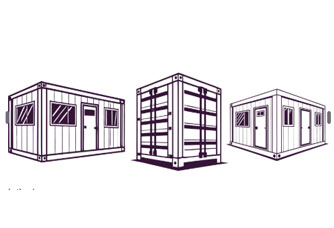
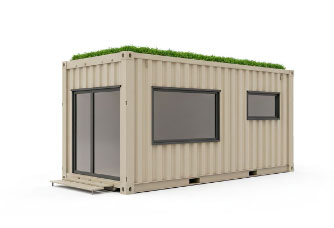
However, for applications demanding even greater permanence, security, and insulation, investing in a rigid wall shelter offers an alternative, containerized solution. However, the classic fabric shelter can create a hybrid solution that outperforms many conventional building types for specific industrial applications by balancing protection with agility.
Enhancing Operational Continuity and Asset Protection
A primary rationale for incorporating these shelters into master planning is the unparalleled protection they offer. Industrial machinery, raw materials, and finished goods are substantial capital investments vulnerable to weather degradation, including sun, rain, snow, and corrosive salt air. Exposure can accelerate wear, increase maintenance frequency, and shorten asset lifespans, directly impacting the bottom line.
A well-designed shelter can create a controlled environment that mitigates these factors. By shielding equipment from direct sunlight and precipitation, companies can preserve functionality and appearance, ensuring machinery operates at peak efficiency for longer periods. This protective function extends to workflows as outdoor staging areas under shelter allow work to proceed uninterrupted by inclement weather, maintaining production schedules and meeting critical deadlines regardless of external conditions.
Optimizing Space Utilization and Layout Flexibility
Industrial planning must account for spatial efficiency and the potential need for future adaptation. Traditional brick-and-mortar construction is typically inflexible and time-intensive to modify. Fabric shelters, in contrast, offer inherent flexibility. Their clear-span designs can help maximize usable floor space, allowing for the unobstructed movement of large vehicles, cranes, and equipment. This efficient footprint is crucial for logistics hubs, assembly areas, and bulk storage.
Furthermore, as operational needs evolve, these structures can be expanded, reconfigured, or even relocated with relative ease compared to permanent buildings, a flexibility that extends to their integrated systems. This inherent modularity provides planners with a valuable tool for scalable growth. The capacity to easily upgrade components like electrical distribution panels, incorporate LED lighting for superior energy efficiency, or enhance insulation levels within the framework allows facilities to adapt dynamically to new market demands, contracts, or process changes.
Lastly, many modern shelters, particularly rigid walled shelters utilizing advanced composite materials, are engineered to meet specific ISO standards for quality, safety, and dimensional consistency, ensuring reliable performance and simplified integration in complex industrial settings.
Improving Workplace Safety and Regulatory Compliance
A safe work environment is a legal and ethical imperative, directly linked to productivity and morale. Open work areas expose personnel and processes to various hazards. Permanent shelters can contribute substantially to a safer worksite by containing operations within a defined, protected space. They can prevent wind from scattering lightweight materials, reduce slip hazards from rain or ice on work surfaces, and offer a barrier against blowing debris.
Moreover, these structures can facilitate better compliance with environmental regulations. They can be equipped with integrated ventilation systems, liner curtains, and containment berms to control dust, manage fumes, or contain potential spills, preventing soil and water contamination. By providing a designated area for handling materials or processing, environmental impact is more easily monitored and managed, mitigating regulatory risks and supporting corporate sustainability goals.
Achieving Economic and Logistical Efficiency
From a financial perspective, the value proposition of permanent fabric shelters is compelling. The total installed cost is frequently lower than that of conventional steel buildings, with savings realized through faster construction times, reduced foundation requirements (often a simple concrete slab or helical piers suffice), and lower material costs. This efficiency can translate into a quicker return on investment, as the facility becomes operational in weeks rather than months.
Operational cost savings are equally important. The translucency of the fabric membrane harnesses natural daylight, dramatically reducing lighting costs during daytime hours. The design can also promote natural ventilation, decreasing the need for extensive mechanical HVAC systems for many applications, thereby lowering energy consumption. When compared to the ongoing depreciation and maintenance costs associated with exposing assets to the elements, the shelter acts as a cost-containment measure, preserving capital, and reducing long-term operational expenditures.
Conclusion
The decision to integrate a permanent fabric shelter into an industrial plan is a strategic consideration that extends far beyond simple cover. It’s an investment in asset preservation, workforce safety, operational flexibility, and financial prudence. For planners seeking a balanced solution that offers the durability of permanent infrastructure with the adaptability of a temporary solution, a permanent engineered shelter represents an optimal choice.
By keeping the information mentioned above in mind, industries can operate with greater resilience, efficiency, and preparedness for future challenges, thereby solidifying its role as a cornerstone of thoughtful, forward-looking industrial development.


.jpg "Shree TBTC Global Industries: Enhancing International Trade With Quality, Creativity And Reliability")




We use cookies to ensure you get the best experience on our website. Read more...