Tarang Shakti backs India’s defense export push by turning a major air exercise into a platform for industrial outreach.
Most air exercises end when the jets land. Tarang Shakti designs the real work to begin after the flying.
Air force leaders move from the tarmac at Jodhpur to the production floors of Bengaluru and Vadodara.
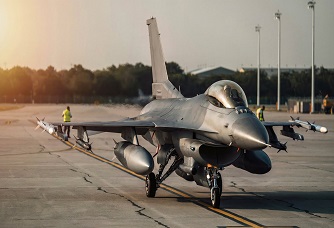
The Indian Air Force hosts the second edition of its largest multilateral combat exercise from 26 September to 12 October.
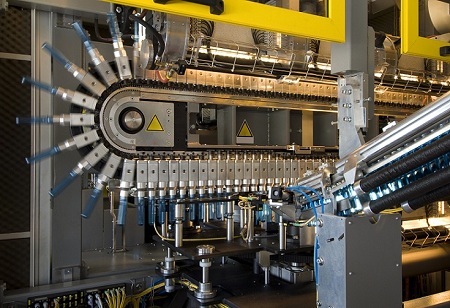
Officials plan structured briefings and factory visits so that partners see indigenous platforms, sensors, weapons and technologies first-hand.
The dual track of flying operations and manufacturing showcases aims to convert operational goodwill into deeper industrial engagement.
Tarang Shakti runs on two clear tracks.
Eight nations fly their own air assets. Thirty-two countries send observers. Participating forces include the United States, France, Germany, the United Arab Emirates, Australia, Bangladesh and Sri Lanka. The exercise focuses on joint missions, interoperability and the exchange of operational experience.
Air chiefs and senior officers receive briefings at Hindustan Aeronautics Limited and Bharat Electronics Limited in Bengaluru on 29 September. They then visit the C295 production line in Vadodara on 3 October. These visits give partners a close look at India’s defense manufacturing capabilities and progress in indigenous production. This combination lets partners both train together and evaluate what India builds.
Also Read: India’s Defence Manufacturing Opportunity & Evolving Policy Landscape
Air Marshal Ashutosh Dixit, Vice Chief of the Air Staff, states the purpose clearly.
“Tarang Shakti provides an opportunity for our partners to see the growing capabilities of the Indian aerospace and defense industry—our indigenous platforms, sensors, weapons, unmanned systems and technologies.”
He adds that Atmanirbharta and international cooperation complement each other. Stronger indigenous capability makes engagement with the world more meaningful.
India sent invitations to 65 countries. Eight confirmed participation with aircraft. Thirty-two will attend as observers. The exercise therefore places India’s aerospace and defense industry in front of a wide international audience at the same time as it builds operational links.
Key elements of the outreach:
India no longer invites partners only to train. It invites them to evaluate, experience, and consider Indian systems. Tarang Shakti functions as both a military engagement and a structured introduction to domestic production. The movement of air chiefs from the exercise site in Jodhpur to production centers turns the event into a practical bridge between flying operations and industrial capability.
The design reflects a clear intent that partners who fly alongside Indian forces also walk the floors where Indian systems take shape. This dual purpose strengthens both interoperability and the visibility of India’s defense manufacturing base.

.jpg "AR Enterprises: Building The Supply Networks Behind India's Construction Growth")
.jpg "Industrial Packers: Engineering Industrial Packaging for India's Manufacturing Future")




We use cookies to ensure you get the best experience on our website. Read more...