The energy transition is not just about power. It is reshaping entire economies.
The "Leapfrog" Strategy in Emerging Markets
Countries like India and Indonesia are taking a different path. Instead of building large fossil fuel systems, they are moving directly to clean energy. This is called the leapfrog strategy.
For example, India’s renewable energy target 2030 aims to significantly increase clean energy capacity. This approach saves time and reduces long-term costs. Also, the aim is to achieve 500 GW of non-fossil fuel-based energy capacity by 2030.
Green Jobs & Sustainable Growth
The green economy is creating new jobs. Solar installation, wind maintenance, battery manufacturing—these are growing sectors.
This shift also helps reduce energy poverty. Clean energy can reach remote areas more easily than traditional systems.
At the same time, it boosts economic growth. Investments in renewable energy often lead to higher GDP and better infrastructure.
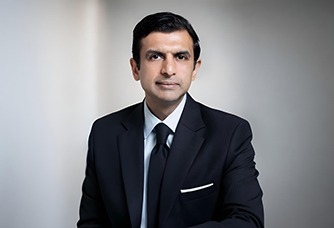
N Venu Managing Director and CEO for India and South Asia at Hitachi Energy says, “India's energy sector is at an inflection point, with an increasing focus on renewables.”
Sustainable Aviation Fuel (SAF) & EV Adoption
Transport is another area undergoing change.Electric vehicles are becoming more common. Charging infrastructure is expanding. Governments are offering incentives.
For heavy transport, solutions like Sustainable Aviation Fuel (SAF) are gaining importance. These fuels reduce emissions without requiring major changes to existing systems.
Manufacturing and Supply Chain Resilience
The energy transition depends on materials like lithium, copper, and cobalt. This has created a race to secure supply chains. Countries are trying to reduce dependence on a few suppliers. They are investing in local production and recycling.
This is important for long-term stability and growth.
Policy, Financing & A "Just Transition"
No transition can succeed without strong policies and financial support.
“Commercial and industrial businesses are rapidly shifting toward clean energy adoption to reduce costs and carbon footprint,” says Gyanesh Chaudhary, CEO, Fourth Partner Energy
Carbon Border Adjustment Mechanism (CBAM)
The EU Carbon Border Adjustment Mechanism (CBAM) is a major policy shift. It puts a carbon price on imports based on their emissions. This affects global trade. Companies must now consider carbon costs when exporting to Europe. CBAM encourages cleaner production worldwide.
Climate Finance for Developing Nations
Developing countries need financial support to transition to clean energy. This is where climate finance comes in. Wealthier nations must provide funding. This includes grants, loans, and investments. Without this support, the global transition will remain uneven.
Just Transition Strategies
The Just Transition definition focuses on fairness. Many workers depend on fossil fuel industries. A sudden shift can lead to job losses and economic problems. Just transition strategies aim to protect these workers. They include retraining programs, financial support, and new job opportunities. This ensures that no one is left behind.
Shifting Subsidies
Fossil fuels still receive large subsidies in many countries. These subsidies distort the market. They make clean energy less competitive. Shifting these funds toward renewable infrastructure can speed up the transition. It can also reduce government spending in the long run.
The global energy system is changing faster than ever before. The crisis of recent years has forced countries to act. It has exposed weaknesses and created urgency.
The shift toward a green economy is no longer just about climate goals. It is about economic stability, energy security, and future growth.
Technologies are ready. Investments are increasing. Policies are evolving. But challenges remain—especially in infrastructure, financing, and workforce transition.
The coming years will define the success of this transformation. The focus must stay on execution. Plans must turn into real projects. Promises must lead to measurable results.
The world has reached a point where delay is no longer an option. The energy transition is not just necessary. It is inevitable.
1. Why is the global energy shift happening now?
The shift is happening because the world is facing an energy crisis driven by high fuel prices, supply disruptions, and climate pressure. Renewable energy is now seen as a more stable and long-term solution.
2. How does renewable energy improve energy security?
Renewables like solar and wind are locally produced. This reduces dependence on imported fossil fuels and protects countries from global price shocks and geopolitical conflicts.
3. What is the biggest challenge in the green energy transition?
The biggest challenge is building strong infrastructure—especially modern power grids, large-scale storage systems, and reliable financing to support fast and stable adoption of clean energy.

.jpg "Devising Future-Proof Sustainable Industrial Packaging Solutions")
.jpg "Daifuku Intralogistics India: Global Warehousing Automation Capabilities Tailored for Indian Industries")



We use cookies to ensure you get the best experience on our website. Read more...