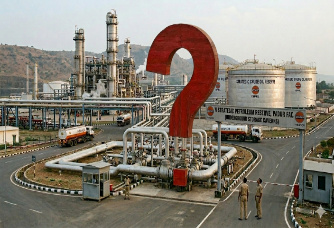
With global energy prices soaring and the crucial Strait of Hormuz closed due to rising tensions, India’s oil and gas supply chains are under significant strain.
The closure of this vital shipping route, through which a substantial portion of the world’s oil passes, has created a ripple effect in global markets.
Following a drone attack from Iran on Qatar's LNG facilities, the situation has raised questions about how long India can sustain itself with its current oil reserves.
This disruption has raised critical concerns over how long India can rely on its existing oil reserves to meet its growing energy demands, especially with a large percentage of its oil and gas supply dependent on the Gulf region.
India’s oil ministry assured that the country has sufficient reserves to absorb any short-term disruptions from the ongoing Gulf conflict.
Hardeep Singh Puri, India's Minister of Petroleum and Natural Gas, stated, "India's strategic petroleum reserves are enough to tide over short-term disruptions. We have the capacity to manage short-term shocks, but prolonged disruptions may require us to take further measures."
The ministry emphasized that these stockpiles can handle fluctuations in the short run. However, with escalating tensions in the Strait of Hormuz, which sees around 20 percent of the world's oil pass through, India’s vulnerability has become clearer.
“We are cautiously optimistic that phased measures can be taken to mitigate the impact,” said a senior spokesperson from the Oil Ministry.
Also Read: India's Energy Procurement Diversification Amidst Trade Volatility
The ripple effect from the Gulf crisis is already being felt. QatarEnergy, which controls a significant portion of India's LNG imports, suspended its LNG production following the attack.
Saad Sherida Al-Kaabi, Qatar’s Minister of Energy, said, "While we are working to restore production, the immediate effects of the disruption are being felt across the global LNG market, and it is affecting supplies to key customers."
This disruption has led to a 33 percent reduction in supply from Petronet LNG, India’s largest gas importer, and a further 67 percent cut on the following day. As a result, industrial gas consumers like GAIL, BPCL, and IndianOil have had to curtail supply to various industries, including ceramics and steel plants, with some factories facing up to 60 percent cuts.
Propane and natural gas shortages are also disrupting the industrial sector. Ceramic manufacturers in Gujarat's Morbi district have been warned by IndianOil that they have only three days of propane supply left.
Despite these disruptions, households relying on domestic gas for cooking are unaffected, as the supply remains stable. However, large industrial consumers, especially in sectors like steel, cement, and ceramics, may struggle if the crisis deepens.
Also Read: Coal Output Rises 18.51% in Feb, Dispatches at 17.72 MT
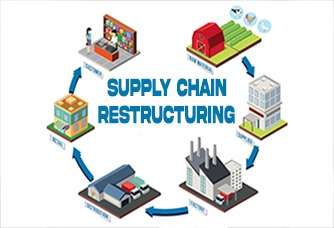
As the conflict escalates, India’s dependence on West Asia for over 60% of its oil imports puts it in a precarious position. India will need to explore alternative sources and diversify its energy supply chains to secure long-term energy stability.
The government is monitoring the situation closely, with a focus on securing new contracts and exploring energy security measures to cushion future shocks. If these disruptions persist, India may face severe industrial slowdowns, energy shortages, and rising fuel costs, which could severely impact both economic growth and domestic consumers.
India’s Oil Reserves & Consumption:
Dependence on the Strait of Hormuz:
LNG Supply from Qatar:







We use cookies to ensure you get the best experience on our website. Read more...