Accumulation tables are workhorses in food processing and packaging facilities, constantly handling products as they move through production lines. When these surfaces aren't properly maintained, they can become breeding grounds for bacteria and contamination that put both product safety and regulatory compliance at risk. How do I ensure accumulation tables are compliant with hygiene standards?
Ensure compliance by establishing regular cleaning schedules with food-safe sanitizers, using materials that meet FDA or EU regulations, implementing proper drainage systems, and conducting routine inspections with documented hygiene audits.
The basics might seem straightforward, but there are specific scenarios where standard cleaning protocols fall short — like when dealing with different product types, varying temperature zones, or transitioning between allergen and non-allergen products — so understanding these nuances will help you avoid costly compliance failures and production shutdowns.
Understanding Material Requirements
The foundation of any hygienic accumulation table starts with the right materials. Accumulation systems for food and beverage operations must use stainless steel grades 304 and 316 as industry standards because they resist corrosion, don't harbor bacteria in surface pits, and withstand repeated cleaning with harsh sanitizers. Food-contact surfaces need smooth, non-porous finishes that prevent microbial adhesion and meet strict regulatory requirements for direct food contact.
Beyond the tabletop itself, all components — including support structures, joints, and fasteners — should be made from approved materials. Avoid using wood, unsealed metals, or porous plastics that can absorb moisture and create hidden contamination zones. Many facilities overlook small details like bolt heads or weld seams, but these areas are frequently flagged during audits.
Establishing Effective Cleaning Protocols
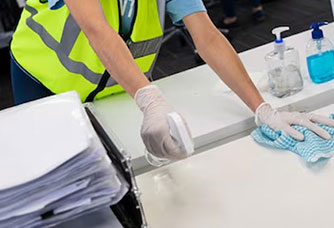
Daily cleaning schedules form the backbone of hygiene compliance. Most facilities require accumulation tables to be cleaned at minimum once per shift, though high-risk products like raw meat or dairy may demand more frequent sanitation. The cleaning process should follow a consistent sequence: pre-rinse to remove debris, application of approved detergent, scrubbing of all surfaces, thorough rinsing, and application of sanitizer.
Documentation is just as important as the cleaning itself. Create checklists that operators sign off on after each cleaning cycle, noting the time, products used, and any issues encountered. These records become essential during audits and help identify patterns if contamination issues arise.
Temperature matters too. Hot water (typically 140-180°F) improves cleaning effectiveness, but verify that your accumulation table materials can handle thermal stress without warping.
Designing for Cleanability
Even the best cleaning program can't compensate for poor design. Hygienic accumulation tables should have minimal horizontal surfaces where water, product residue, or debris can collect. Sloped surfaces with proper drainage prevent standing water, which is a major contributor to bacterial growth.
Eliminate dead spaces and hollow tubes where cleaning solutions can't reach. Open-frame designs with rounded corners and smooth transitions between surfaces make every area accessible for cleaning and inspection. If your accumulation table has enclosed sections, ensure they have cleanout ports or are completely sealed to prevent moisture intrusion.
The gap between the table and the floor should allow easy access for cleaning underneath—typically at least 6 inches for manual cleaning or 12 inches if using automated wash-down systems.
Implementing Monitoring and Verification Systems
Cleaning alone doesn't guarantee hygiene compliance—you need to verify effectiveness. Environmental monitoring programs should include regular swab testing of accumulation table surfaces for indicator organisms like total plate count, coliforms, or specific pathogens relevant to your products.
ATP (adenosine triphosphate) testing provides immediate feedback on cleaning effectiveness, allowing operators to re-clean surfaces before production resumes. Set specific pass/fail thresholds based on your facility's risk assessment and industry benchmarks.
Visual inspections should occur before every production run. Train staff to look for product buildup, standing water, rust, damaged surfaces, or any condition that could compromise hygiene.
Meeting Regulatory Standards and Certifications
Different industries and regions have specific requirements for accumulation tables. FDA's Current Good Manufacturing Practices (cGMP) outline general sanitation standards, while USDA has more stringent requirements for meat and poultry facilities. European facilities must comply with EC Regulation 852/2004 on food hygiene.
Third-party certifications like NSF International, 3-A Sanitary Standards, or EHEDG (European Hygienic Engineering & Design Group) provide clear benchmarks for equipment design and maintenance. Choosing accumulation tables with these certifications simplifies compliance and demonstrates due diligence during audits.
If you're pursuing certifications like BRC, SQF, or FSSC 22000, your accumulation tables will be scrutinized as part of the overall facility assessment.
Training Staff on Hygiene Practices
The best equipment and procedures mean nothing without properly trained personnel. Everyone who interacts with accumulation tables needs to understand why hygiene matters, not just what procedures to follow. When operators understand that their actions directly impact food safety, compliance becomes more consistent.
Training should cover proper cleaning techniques, chemical handling safety, documentation requirements, and how to identify potential hygiene issues. Hands-on demonstrations are more effective than classroom lectures—show staff exactly how to disassemble cleanable components, reach difficult areas, and verify their work.
Regular refresher training prevents complacency. As personnel change and new equipment is added, maintaining current knowledge across your team ensures consistent compliance.
What Are The Most Effective Sanitizers?
Quaternary ammonium compounds (quats) are popular because they're gentle on equipment, have low odor, and remain active on surfaces. They work well for routine sanitation in most facilities.
Chlorine-based sanitizers offer powerful antimicrobial action at low cost. However, they can be corrosive to certain metals and lose effectiveness in the presence of organic matter. They require proper concentration monitoring—typically 50-200 ppm.
Peracetic acid has gained popularity, especially in facilities with biofilm concerns. It remains effective in cold temperatures and hard water, breaks down into harmless components, and works quickly. The downside is higher cost and strong vinegar odor.
Match your sanitizer choice to your specific circumstances. Consider water quality, product type, temperature conditions, and materials in your tables.
How Often Should Deep Cleaning Occur?
Understanding the distinction between routine cleaning and deep cleaning is critical. Routine cleaning happens at regular intervals—typically between production runs or shifts—and focuses on removing visible soil and applying sanitizer to food-contact surfaces.
Deep cleaning involves complete disassembly of removable components, cleaning of non-food-contact surfaces, inspection of hidden areas, and often the use of more aggressive cleaning methods or chemicals. Most facilities schedule deep cleaning weekly, bi-weekly, or monthly depending on risk factors. High-moisture environments, facilities processing raw proteins, or operations with previous contamination issues typically need more frequent deep cleaning.
Several indicators tell you when deep cleaning frequency needs adjustment. If environmental monitoring consistently shows elevated counts shortly after routine cleaning, you're likely missing contamination harboring in hard-to-reach areas. Visual indicators like biofilm formation, persistent odors, or discoloration also signal that routine cleaning isn't sufficient.
How Do I Prevent Biofilm Formation?
Biofilm represents one of the most challenging hygiene threats. Unlike loose bacteria that cleaning can easily remove, biofilm consists of microbial communities encased in a protective matrix that shields them from sanitizers.
Prevention starts with eliminating moisture. Biofilm thrives where water sits for extended periods. Ensure accumulation tables drain completely after cleaning and that no design features allow water pooling.
Frequency and thoroughness of cleaning directly impact biofilm risk. Biofilm typically takes 24-48 hours to form, which is why daily cleaning with proper mechanical action is critical. The physical scrubbing component disrupts bacterial attachment before biofilm can mature.
Chemical strategies also play a role. Rotating sanitizers prevents microbial adaptation, and certain chemicals like peracetic acid have better biofilm penetration. Some facilities incorporate enzymatic cleaners that break down the matrix holding biofilm together.
If biofilm establishes, immediate aggressive intervention is necessary, including extended deep cleaning with specialized chemicals, intensive scrubbing, and verification through ATP testing before returning to service.
Take Action On Your Hygiene Compliance Today
Start by conducting a comprehensive audit of your accumulation tables — inspect surfaces, review documentation, observe cleaning procedures, and test for biofilm in high-risk areas. This assessment will reveal your specific compliance gaps and help you prioritize improvements, whether that's adjusting cleaning frequencies, upgrading to better sanitizers, or addressing design flaws. The investment you make in systematic hygiene compliance today prevents the far costlier consequences of contamination events, failed audits, and regulatory action tomorrow.

.jpg "JDS Group of Companies: Innovating Smart Solutions For Modern Power Transmission & Distribution Infrastructure")




.jpg "Smart Electronics Manufacturing Powered by Advanced AIDC")
We use cookies to ensure you get the best experience on our website. Read more...