Rail projects remain at the centre of India’s infrastructure strategy as the government fast-tracks critical developments to strengthen border connectivity.
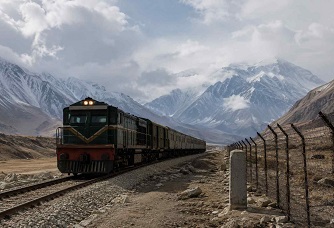
The centre plans a massive Rs 45,000 crore investment to upgrade strategic rail infrastructure along with China, Pakistan, and Bangladesh.
These rail projects will roll out over the next 18 to 24 months. This further aims to improve military logistics, enable faster troop deployment, and enhance access to remote areas.
Officials have identified key stretches across northern and northeastern states for priority execution, reflecting a coordinated push to close infrastructure gaps and strengthen national security.
The government has accelerated rail projects across multiple Border States to strengthen connectivity in geographically sensitive zones. The plan includes construction of new railway tracks and expansion of platforms. This network strengthening is deployed across Punjab, West Bengal, Himachal Pradesh, Rajasthan, Assam, and several northeastern states.
These rail projects target regions close to the Line of Actual Control and other international borders where infrastructure gaps persist. Authorities have prioritized connectivity in Arunachal Pradesh, Sikkim, and other frontier areas to ensure seamless access. The scale of this push stands out, as the border-state program alone accounts for nearly 22 per cent of the total railway infrastructure outlay planned over the next two years.
Also Read: Why India's Mobility Future Depends on Leadership and Innovation
Rail projects will significantly strengthen India’s military logistics framework. Faster rail connectivity will allow defense forces to move troops, equipment, and supplies to border areas with greater speed and efficiency. High-capacity freight corridors under these Rail Projects will support heavy artillery and essential logistics movement.
Rail infrastructure will reduce reliance on road transport, which often faces disruptions due to extreme weather and terrain challenges. The focus on network strengthening will ensure all-weather connectivity and faster mobilization during emergencies. This push will directly enhance India’s operational readiness across high-risk border zones.
Rail projects will also drive economic growth in border regions by improving access and connectivity. Enhanced rail networks will open trade corridors, reduce transportation costs, and support local industries. States in the Northeast and northern belt will gain better integration with national markets.
The Rs 45,000 crore investments in rail projects will create employment opportunities and stimulate infrastructure-led development. Improved connectivity will boost tourism and facilitate movement of goods and services, ensuring balanced regional growth alongside strategic gains.
The government has adopted an aggressive execution strategy to fast-track rail projects within the 18–24 month timeline. Ministries have increased coordination to streamline approvals and accelerate project rollout. This infrastructure push builds on earlier plans, including a USD 3.4 billion initiative reported earlier for rail line construction in the Northeast involving bridges and tunnels.
The expanded scale of current rail projects signals a broader policy shift under the Prime Minister-led administration to prioritize border infrastructure beyond earlier commitments. Authorities will deploy advanced engineering solutions to tackle terrain challenges and ensure durability. This large-scale push highlights India’s commitment to strengthening strategic rail infrastructure while aligning defense preparedness with long-term development goals.

.jpg "AR Enterprises: Building The Supply Networks Behind India's Construction Growth")
.jpg "Industrial Packers: Engineering Industrial Packaging for India's Manufacturing Future")




We use cookies to ensure you get the best experience on our website. Read more...