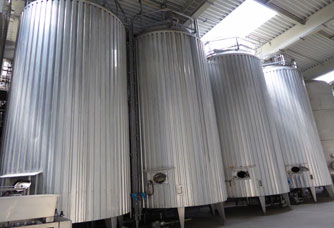
Purchasing used process machinery can be a highly cost-effective strategy for manufacturers in sectors such as chemicals, pharmaceuticals, food processing, recycling, and specialty manufacturing. Shorter delivery times and lower investment costs often make pre-owned equipment, such as used stainless steel tanks or pressure vessels, an attractive alternative to new builds. However, to ensure operational reliability and long-term value, several technical, regulatory, and commercial factors should be evaluated before committing to a purchase.
One of the most important considerations is the technical suitability of the equipment for the intended process. Buyers should confirm that the machine’s design parameters — including volume, pressure rating, temperature limits, agitation system, material grade, and surface finish — match the production requirements. Even small deviations in specifications can result in costly modifications or operational inefficiencies later. Reviewing original drawings, nameplate data, and maintenance history can help verify compatibility at an early stage.
The physical condition of the machinery is equally critical. Used equipment should be inspected for corrosion, mechanical wear, weld integrity, and structural deformation. For stainless-steel vessels or reactors, particular attention should be paid to internal surfaces, sealing areas, and connections for signs of pitting or previous repairs. When possible, inspection records, pressure test certificates, or refurbishment documentation provide valuable assurance regarding remaining service life and operational safety.
Compliance with current regulatory and safety standards must also be assessed. Depending on the industry and installation location, machinery may need to meet requirements such as pressure equipment directives, ATEX classifications, GMP expectations, or local electrical safety rules. Ensuring that documentation, certification, and traceability are available can significantly reduce the time and cost required for commissioning the equipment in a new facility.
Another key factor is the scope of required modification and integration. Used machinery often requires some level of adaptation, such as updated instrumentation, new control interfaces, additional nozzles, or automation adjustments. Buyers should realistically evaluate these integration costs alongside the purchase price. In many cases, even with moderate upgrades, the total project cost remains substantially below that of a new installation, but early planning is essential to avoid unexpected expenses.
Logistics and installation should not be overlooked. Large process machines can involve complex dismantling, international transport, lifting operations, and foundation requirements. Clarifying responsibilities for transport preparation, packaging, loading, and documentation helps prevent delays and ensures that the machinery arrives ready for installation.
Ultimately, purchasing used process machinery can offer strong economic and operational advantages when approached with structured technical due diligence. Careful verification of specifications, condition, compliance, and integration requirements allows companies to secure reliable equipment while maintaining flexibility, reducing capital expenditure, and accelerating project timelines.







We use cookies to ensure you get the best experience on our website. Read more...