Industrial growth, booming freight demand, and nonstop shipping have turned heavy trucks into the backbone of the economy.
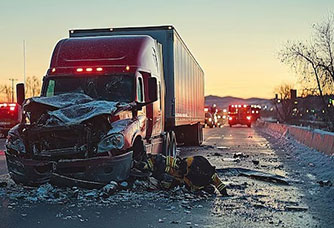
But when you drive through Clear Lake on I‑45, NASA Road 1, or Bay Area Boulevard, that same trucking growth can put you and your family in serious danger.
When an 18‑wheeler driver or trucking company breaks safety laws, a simple commute can turn into a life‑changing crash.
Understanding the laws that govern truck drivers helps you recognize how these wrecks happen, who may bear legal responsibility, and what you can do next if you already suffered injuries.
How the Trucking “Industry Outlook” Becomes a Safety Issue
Business media often highlights:
Those trends push trucking companies to squeeze more miles out of every driver and every truck. The result on the road:
When companies chase productivity and ignore safety rules, people in smaller vehicles pay the price.
Key Truck Driver Laws That Protect You on Texas Roads
Truck drivers follow far more rules than everyday motorists. Many of these laws exist to protect you from preventable 18‑wheeler crashes.
You can speak with an experienced 18 wheeler lawyer clear lake to learn how violations of these rules affect your specific case, but here are the core areas that often show up after serious wrecks.
Weight and Size Limits
Commercial trucks must stay within strict weight and size limits. Overloaded or oversized rigs:
If a trucking company lets a driver haul loads that exceed legal limits, that decision can support a negligence claim when an overloaded truck causes a crash.
Hours‑of‑Service and Fatigue
Federal and state hours‑of‑service rules limit how long a commercial driver operates without adequate rest. These limits exist because fatigued driving can be as dangerous as drunk driving.
When a driver:
and then rear end a line of cars or drifts into another lane, those violations become powerful evidence that the trucking company put profits over safety.
Drug and Alcohol Rules
Commercial drivers face stricter drug and alcohol rules than regular motorists. Random testing, post‑crash testing, and a lower legal blood alcohol limit all aim to keep impaired truckers off the road.
If testing after a crash shows alcohol, illegal drugs, or misused prescription medication in the driver’s system, that result can quickly shift a case from simple negligence toward gross negligence and punitive damages.
Distracted Driving Laws
Truck drivers cannot legally use hand‑held phones while driving. Texting, scrolling, dialing, or even holding a device against the ear while operating a commercial truck violates safety rules.
Phone records, cab cameras, and telematics can show:
For an injured person, this kind of proof helps show that the driver broke a clear safety law and caused the collision.
Maintenance and Inspection Requirements
Trucking companies must inspect and maintain:
When a blowout, brake failure, or lighting problem leads to a serious crash, maintenance records often reveal ignored defects or skipped inspections.
How Violating Trucking Laws Proves Negligence
Under Texas law, every truck driver and trucking company owes a duty of care to people on the road. That duty includes:
When a trucker or company breaks those rules and causes a crash, they breach that duty. Lawyers use violations of safety statutes and regulations as strong evidence of negligence.
Common examples include:
These facts help build a case that you did not just experience “an accident”—you suffered harm because someone chose to ignore safety laws.
Texas Rules That Shape Your Truck Accident Claim
Two Texas laws affect almost every serious 18‑wheeler case.
Statute of Limitations
In most personal injury cases, Texas Civil Practice and Remedies Code § 16.003 gives you two years from the date of the crash to file a lawsuit. Waiting too long can completely destroy a valid claim, no matter how badly you got hurt.
Because truck cases involve electronic data, dash‑cam video, and corporate documents that can disappear or get overwritten, you should treat that two‑year window as a maximum, not a target.
Comparative Negligence – The 51% Rule
Texas follows modified comparative negligence under Texas Civil Practice and Remedies Code § 33.001. If a jury decides you were 51% or more at fault, you recover nothing. If you were less than 51% at fault, your compensation drops by your percentage of fault.
Insurance companies for trucking companies know this rule well. They often try to blame you for:
Even when their driver caused nearly all the damage. A strong legal strategy pushes back against unfair blame.
The Compensation You Can Seek After an 18‑Wheeler Crash
A serious truck crash frequently leaves you with more than just a damaged car. Under Texas law, you can pursue economic and non‑economic damages such as:
In extreme cases involving reckless or knowing violations—like sending a dangerously defective truck onto the road—courts may also award exemplary (punitive) damages to punish the wrongdoers.
What You Should Do After a Clear Lake 18‑Wheeler Collision
If you can do so safely after a crash:
Most importantly, reach out to a truck accident attorney as soon as possible so your legal team can preserve critical evidence like black‑box data, camera footage, and dispatch records.
.jpg "Saksham Enterprises: Optimizing Mission- Critical HVAC Infrastructure For The High Precision Sector")

.jpg "JDS Group of Companies: Innovating Smart Solutions For Modern Power Transmission & Distribution Infrastructure")




We use cookies to ensure you get the best experience on our website. Read more...