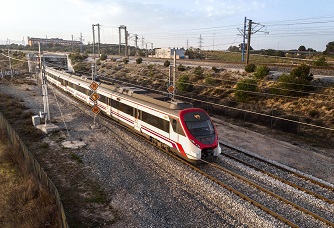
Indian Railways has launched a major shift to engines run on battery and green fuel as it moves to cut pollution and dependence on diesel.
With most of its track already electrified, the national transporter is focusing on replacing the remaining diesel engines, especially on short and medium-distance routes where overhead wires aren’t practical.
The effort targets roughly 2,500 diesel locomotives still in use for yard operations, shunting and last-mile freight, replacing or retrofitting them with cleaner battery or alternative-fuel engines. A senior official said the first step in the plan will swap out diesel engines in yards and freight links that still rely heavily on fossil fuel power.
Also Read: Redefining EV Charging: Seamless User Experience with Tech
Officials stress that while electrification remains the dominant strategy for long runs, battery traction solutions are critical for specific duties where electrification isn’t available. Battery-powered technology is already in action: Concord Control Systems retrofitted a 700-horsepower diesel locomotive with lithium ferro phosphate batteries, and is now developing a 3,100 HP hydrogen-fuelled propulsion system.
Railways Minister Ashwini Vaishnaw recently highlighted progress testing the world’s longest and most powerful 2400 kW hydrogen train set on broad gauge. Pilot projects for both lithium-ion and on-board battery technologies began years ago to help cut emissions and diversify power sources.
Even as Indian Railways still uses diesel locomotives for most long-haul freight, passenger services have shifted largely to electric power. This transition supports broader national goals to reduce greenhouse gas emissions and modernize rail operations with cleaner, more efficient technology.
.jpg "AR Enterprises: Building The Supply Networks Behind India's Construction Growth")
.jpg "Industrial Packers: Engineering Industrial Packaging for India's Manufacturing Future")
We use cookies to ensure you get the best experience on our website. Read more...