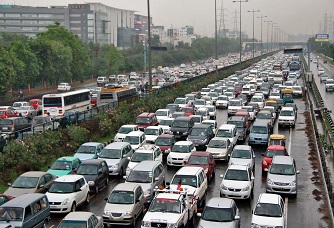
India’s automobile industry is seeing strong momentum, with auto sales in India reaching a record high in FY26. This growth has been largely driven by tax cuts impact on auto sector, lower interest rates, and improved consumer confidence, all of which have made vehicle purchases more affordable.
Across the board, all major segments performed well, including passenger vehicle sales India, commercial vehicles, two-wheelers, and three-wheelers. Passenger vehicle sales, in particular, saw a sharp rise, while auto exports India growth also increased, showing strong global demand for vehicles made in India. The overall performance signals a steady recovery for the industry after the slowdown experienced during the pandemic years.
Policy support has played a key role in this growth. Measures such as revised income tax slabs and easing of interest rates have boosted consumer demand in auto industry and made financing easier. As a result, more people are now willing to invest in vehicles, even amid global uncertainties.
Also Read: TVS to Roll Out Ethanol-Powered Models in Phased Manner
At the same time, the luxury car market India is gaining attention as a major growth area. According to BMW, luxury car sales India 2030 are expected to double. This growth is being driven by a younger, wealthier, and more aspirational customer base that values premium features, brand experience, and advanced technology.
Changing consumer preferences are also playing a role. Buyers are now less focused on discounts and more interested in overall value, comfort, and innovation. This reflects the rise of premiumisation in auto industry, indicating that the Indian auto market is gradually maturing.
The rise in high-net-worth individuals and the expanding urban middle class are further supporting demand, especially in the premium segment. As incomes grow and lifestyles evolve, more consumers are willing to upgrade to higher-end vehicles, strengthening the Indian automobile industry growth story.
Looking ahead, the outlook for the auto sector remains positive. Strong domestic demand and supportive economic conditions are expected to keep growth on track. However, challenges such as geopolitical tensions and rising input costs could still impact supply chains and pricing, influencing auto sector outlook India.
Overall, FY26 marks an important milestone for India’s auto industry—not just in terms of record sales, but also in the shift towards higher-value and premium mobility, reinforcing trends like India car market trends and vehicle demand India FY26.