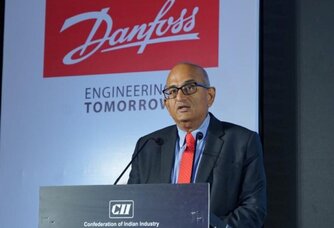
Danfoss India electric kitchen initiative is gaining attention as a sustainable and scalable solution for industries facing rising fuel costs and energy challenges. The company’s innovative approach demonstrates how electrification can significantly reduce dependence on conventional fuels while improving operational efficiency.
Key Highlights
The electric kitchen model, implemented at Danfoss India’s manufacturing facility, replaces traditional fossil fuel-based cooking systems with fully electrified, energy-efficient solutions, offering a practical blueprint for industries looking to transition toward cleaner energy alternatives.
The Danfoss India electric kitchen project comes at a time when industries are grappling with volatile fuel prices and supply disruptions. By shifting to electric systems, the company has been able to reduce fuel consumption and lower carbon emissions.
Industry experts note that such initiatives can help businesses mitigate risks associated with fuel shortages while ensuring continuity in operations.
The electric kitchen setup leverages advanced heating technologies that enhance energy efficiency and reduce waste. Compared to conventional fuel-based systems, the model offers:
This aligns with India’s broader push toward sustainability and decarbonisation across industries.
Also Read: India Relaxes C3 C4 Streams Allocation Amid LPG Crisis
Blueprint for Industrial Adoption
The success of the Danfoss India electric kitchen highlights its potential as a replicable model for other manufacturing units, industrial canteens, and large-scale facilities. With increasing focus on ESG (Environmental, Social, and Governance) goals, companies are exploring such solutions to meet sustainability targets while optimizing costs.






We use cookies to ensure you get the best experience on our website. Read more...