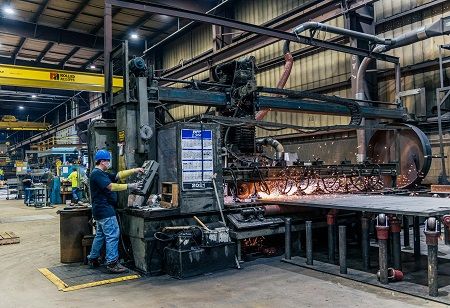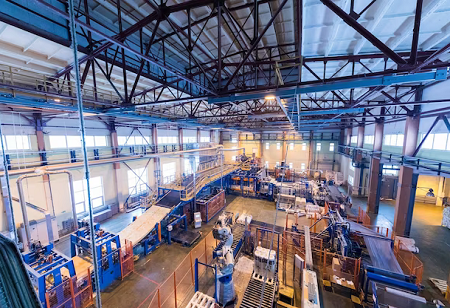
BEML Ltd. plans to manufacture tunnel-boring machines (TBMs) in India as the country expands its infrastructure network.
The state-owned defense and engineering company aims to reduce import dependence and challenge foreign suppliers. It will initially focus on smaller machines used in metro rail, hydropower, irrigation, and water projects.
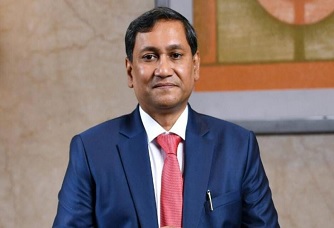
BEML Chairman and Managing Director Shantanu Roy said the company plans to start with machines measuring 3.5 meters to 6.5 meters in diameter. It will gradually expand into larger equipment as its capabilities develop.
The company is also onboarding a global consultant to support its manufacturing plans. Roy said BEML has already prepared a roadmap for the project.
India is among the world's largest users of tunneling equipment. However, it continues to depend on foreign suppliers, particularly for advanced machinery.
China's recent export controls on certain construction equipment categories have further highlighted this dependence. BEML, however, had started planning its entry into the segment before these restrictions.
The company aims to develop proprietary technology rather than assemble imported kits. Roy emphasized that the intellectual property would be Indian.
For perspective, the TBMs used in the Mumbai section of India's first bullet-train project have cutter heads measuring around 13.6 meters in diameter. These machines were manufactured by Germany's Herrenknecht AG at its China facility.
India's experience in other manufacturing sectors also highlights the challenges of building domestic capabilities. Despite expanding solar-module production, the country remains dependent on imports for several upstream materials and equipment. Similar challenges exist in high-performance rare-earth magnet manufacturing.
Also Read: Indian Commercial Vehicle Industry 2026: Trends and Opportunity
Rising investments in underground infrastructure are expected to support the domestic tunnel-boring machines market.
Road Transport and Highways Minister Nitin Gadkari has said India aims to invest up to $9.6 billion in tunneling projects over the next five years. Strategic road and railway projects along the Himalayan frontier with China are also expected to drive demand.
According to Roy, India's TBM market could grow by around 12 percent annually over the next seven to eight years, nearly twice the projected global growth rate.
Key factors supporting demand include:
However, BEML's plans are still at an early stage. The company expects its first machine could take around 22 months to deliver after securing a contract.
Roy said the company would gradually move towards more advanced equipment as its manufacturing capabilities grow.





We use cookies to ensure you get the best experience on our website. Read more...