India's battery recycling capacity is coming into focus after the government prohibited lithium-ion battery black mass exports, aiming to retain valuable minerals for domestic processing.
The Directorate General of Foreign Trade (DGFT), through its November 10 notification, changed the export status of specified battery waste from 'Free' to 'Prohibited' with immediate effect.
The Commerce Ministry said the measure is expected to "assure feedstock availability for domestic recycling and refining units" and improve their capacity utilization.
The decision seeks to strengthen India's critical mineral recovery ecosystem and support its battery manufacturing supply chain.
Also Read: Green Energy Corridor Phase 3: Who Funds Rs 1.86 Lakh Cr?
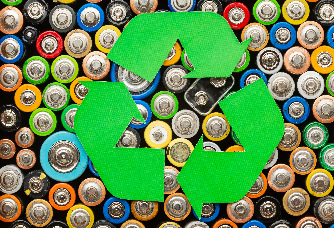
Black mass is a powder-like material generated by shredding used lithium-ion batteries and manufacturing scrap.
It contains recoverable minerals, including lithium, cobalt, nickel and manganese, which can be extracted through further chemical processing. The export restriction aims to retain this material within India rather than allowing mineral-rich battery waste to be processed overseas.
The government expects the measure to encourage investment in domestic recycling and refining facilities, while supporting battery manufacturing, electric vehicles and energy storage.
According to government data, 57 lithium-ion battery recyclers are registered on the Central Pollution Control Board's Battery Waste Extended Producer Responsibility portal.
Their combined annual processing capacity stands at 5.17 lakh metric tons. However, the estimated input capacity specifically for processing lithium-ion battery black mass is around 75,500 metric tons annually.
The export ban could improve feedstock availability, but expanding battery recycling capacity will also require investment in downstream refining technology.
The restriction complements the Rs 1,500 crore Incentive Scheme for Promotion of Critical Mineral Recycling, approved in September 2025 under the National Critical Mineral Mission.
Its effectiveness will depend on whether Indian recyclers can expand processing and refining capabilities to convert retained black mass into usable battery materials.







We use cookies to ensure you get the best experience on our website. Read more...