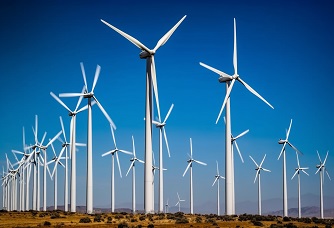
UltraTech's green energy capacity has reached 2,024 MW after the cement maker commissioned 116.55 MW of wind capacity at an Inter-State Transmission System (ISTS)-connected wind-solar hybrid project in Barmer, Rajasthan, and another 10 MW of Waste Heat Recovery System (WHRS) capacity at Sarlanagar Cement Works in Karnataka.
The additions make UltraTech the first cement company in India to cross 2 GW of green energy capacity for captive use.
However, the larger manufacturing story is how the company is combining renewable generation, waste heat recovery and battery storage to build a more reliable electricity system for its energy-intensive operations.
UltraTech’s green energy portfolio now comprises 1,580 MW of renewable energy capacity and 444 MW of WHRS, together meeting about 48 percent of its current power requirements.
The latest wind project therefore represents only one part of a broader captive-energy strategy. For cement manufacturing, this mix is important because electricity demand is continuous, while renewable generation can vary with weather and time of day.
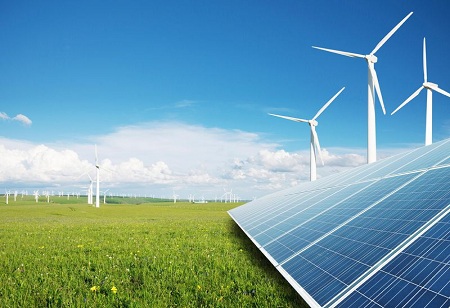
Wind and solar provide renewable electricity, while WHRS converts waste heat generated during cement production into power. Battery Energy Storage Systems (BESS) can then help manage fluctuations and improve the utilization of renewable electricity.
UltraTech has already demonstrated this approach through its hybrid round-the-clock renewable project at Sewagram Cement Works in Gujarat, combining solar, wind and battery storage.
The company is progressively deploying BESS across its operations to strengthen renewable power utilization and supply reliability.
The next challenge is not simply adding renewable capacity, but integrating it across a geographically dispersed manufacturing network.
UltraTech operates 76 manufacturing units in India, and nearly one-third have maintained green-energy utilization above 50 percent of their electricity requirements so far in FY27. Five units have exceeded 95 percent.
This suggests that captive renewable power is increasingly being treated as part of the manufacturing infrastructure rather than as a standalone sustainability project.
ISTS-connected projects can also allow power generated in resource-rich locations to support plants elsewhere, helping UltraTech build a wider renewable electricity network.
The company commissioned 430 MW of green energy capacity in FY26, indicating that the 2,024 MW portfolio is the result of continued capacity expansion rather than a single project.
The 10 MW WHRS addition in Karnataka is significant because it highlights an energy source that is directly linked to the cement manufacturing process. Unlike wind and solar, waste heat recovery uses heat already produced during industrial operations to generate electricity.
This gives UltraTech another layer of captive power that can complement renewable generation. The company’s current 444 MW WHRS portfolio forms a substantial part of its 2,024 MW green-energy capacity.
The strategy also reduces reliance on conventional power. UltraTech has said it has not invested in new captive thermal power capacity for more than a decade, including for greenfield and brownfield expansion at its integrated units.
For UltraTech, therefore, the 2 GW milestone is less about a single wind project and more about creating an integrated power architecture for cement manufacturing.
The combination of renewable generation, WHRS and BESS could become increasingly important as energy-intensive industries seek greater power security while reducing exposure to fossil-fuel supply constraints and electricity price volatility.
.jpg "Saksham Enterprises: Optimizing Mission- Critical HVAC Infrastructure For The High Precision Sector")
.jpg "JDS Group of Companies: Innovating Smart Solutions For Modern Power Transmission & Distribution Infrastructure")

We use cookies to ensure you get the best experience on our website. Read more...