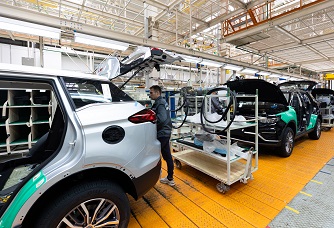
The EV boom is creating fresh challenges for automakers as supply chain disruptions and labour shortages threaten to slow production across the automotive industry.
While electric vehicle demand continues to rise globally, manufacturers are finding it increasingly difficult to secure critical components and skilled workers needed to support the transition.
The EV boom has pushed companies to rethink sourcing strategies, inventory management, and workforce planning as they prepare for the next phase of growth.
Industry executives say the automotive sector is facing a combination of supply constraints, geopolitical risks, and talent shortages. These issues are becoming more visible as electric vehicle production expands and competition for resources intensifies.
The shift toward electric mobility has increased demand for batteries, semiconductors, rare earth materials, and electronic components. Automakers and suppliers are now under pressure to secure reliable sources of these materials while reducing dependence on a limited number of markets.
Several manufacturers have started diversifying suppliers and increasing inventory levels to avoid production disruptions. The industry is also moving away from traditional just-in-time models and adopting more resilient supply chain strategies.
Key challenges facing automakers include:
Industry leaders believe supply chain resilience has become as important as production efficiency in the EV era.
Also Read: How Material Characterization Accelerates Innovation in Industry
Apart from material shortages, the availability of skilled labour has emerged as a major concern. Automotive companies are struggling to find workers with expertise in battery manufacturing, electronics, software integration, and advanced production technologies.
As EV production scales up, suppliers are facing difficulties in hiring and retaining talent. This has created bottlenecks across manufacturing operations and increased pressure on existing workforces.
Experts note that the transition from internal combustion engine vehicles to electric vehicles requires a different skill set, forcing companies to invest heavily in workforce training and upskilling programs.
The shortage of qualified workers is particularly affecting suppliers, many of whom are trying to expand capacity to meet rising demand from automakers.
To address these challenges, automotive companies are adopting new strategies focused on localization, supplier diversification, and workforce development.
Many manufacturers are strengthening partnerships with suppliers and investing in domestic production capabilities to reduce exposure to global disruptions. Companies are also increasing efforts to build local ecosystems for batteries, electronics, and other EV-related components.
Industry stakeholders believe long-term success in the EV market will depend on more than just vehicle sales. The ability to secure materials, maintain stable supply chains, and develop a skilled workforce will play a critical role in determining which companies remain competitive.
As the automotive industry accelerates its transition toward electric mobility, manufacturers face a balancing act between meeting growing demand and overcoming operational hurdles. The EV revolution continues to create opportunities, but it is also exposing vulnerabilities that could shape the industry's future.
.jpg "Saksham Enterprises: Optimizing Mission- Critical HVAC Infrastructure For The High Precision Sector")

.jpg "JDS Group of Companies: Innovating Smart Solutions For Modern Power Transmission & Distribution Infrastructure")




We use cookies to ensure you get the best experience on our website. Read more...