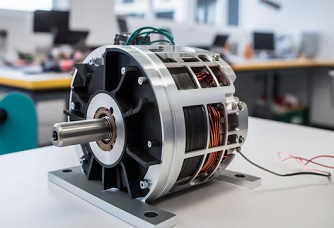
A synchronous reluctance motor is now at the center of India’s growing EV innovation story, as a synchronous reluctance motor developed by Tsuyo Manufacturing has secured a new patent.
This development highlights how Indian companies are moving beyond assembly and focusing on building core electric vehicle technologies within the country.
The newly patented motor design removes the need for magnetic bridges, improving overall efficiency while reducing energy losses.
It also lowers dependence on rare-earth materials, which are often imported and subject to global supply risks. By enhancing torque output and optimizing performance, the design makes the motor suitable for a wide range of electric vehicles, from two-wheelers to commercial fleets.
Also Read: Sustainable Practices in Ferro Alloy Smelting for Future Growth
Alongside this, Tsuyo has also secured a second patent for a fault-tolerant EV motor system. This system uses a five-phase permanent magnet motor combined with a dual inverter setup, allowing the motor to keep running even if part of the system fails. The focus here is on improving reliability and ensuring consistent performance, especially in demanding use cases.
Together, these innovations reflect a broader shift in India’s EV ecosystem. Companies are increasingly investing in research and development to create their own intellectual property rather than relying on imported solutions. This not only strengthens local manufacturing capabilities but also positions India as a serious contender in global EV technology.
With advancements like the synchronous reluctance motor, Tsuyo Manufacturing is contributing to a more self-reliant and competitive EV industry, supporting the country’s long-term push toward cleaner and more efficient mobility.
.jpg "Saksham Enterprises: Optimizing Mission- Critical HVAC Infrastructure For The High Precision Sector")
.jpg "JDS Group of Companies: Innovating Smart Solutions For Modern Power Transmission & Distribution Infrastructure")

We use cookies to ensure you get the best experience on our website. Read more...