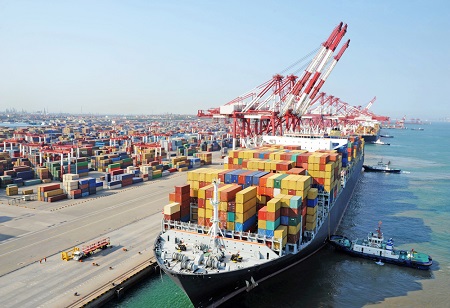
.jpg "MSME Steel Units Hit Hard as India Freezes Import Duties")
India freezes import duties on steel and leaves domestic producers, including smaller units, under continued pressure from cheap overseas shipments.
The steel ministry has decided against any new curbs in the near term and has turned down requests from domestic steelmakers for fresh protection.
Imports of finished steel have already surged, with China remaining the largest source.
Existing safeguard duties have failed to stem the inflow, and the government cites high domestic steel prices as the reason for holding back further action.
Rising demand from automobiles and infrastructure offers some relief, yet the import challenge continues to weigh on producer margins across the industry.
India’s steel ministry is unlikely to push for any new measures to restrict cheap steel imports in the near term. A government source with direct knowledge of the matter confirmed that the ministry has turned down a request from domestic steelmakers.
The source stated that no hike in duties is planned at present because steel prices are already high. The steel ministry did not respond to requests for comment on the policy stance.
Last December, New Delhi imposed a safeguard duty of 11.5 percent on some steel grades for three years. A steel analyst noted that one mill had petitioned to raise this duty above 20 percent. The government has rejected that request for now.
Also Read: From Mining to Metals: Strengthening India's Steel Value Chain
India, the world’s second-biggest crude steel producer, turned into a net importer of finished steel during April-August. The country shipped in 3.5 million metric tons of the alloy, a jump of 29.5 percent from a year earlier. China accounted for 31.8 percent of these imports and emerged as the top exporter of finished steel to India in the period.
Key import facts include:
India also launched an anti-dumping probe into hot-rolled steel imports from China, Japan and Russia in June. Despite these steps, imports have continued to rise. Last week the federal steel secretary publicly described imports as a challenge.
In recent weeks, steel mills have lifted prices. Rising costs of coking coal, a key raw material, and a strong demand revival after the monsoon rains have supported the increases. Demand from infrastructure and automobiles has been rising, according to industry executives.
India’s automobile sales climbed 31.82 percent year-on-year in September. Strong demand for two-wheelers and passenger vehicles drove the growth, an auto dealers’ body reported.
Yet higher imports remain the key risk to Indian steel producers’ margins if competitive pressure returns, Fitch Ratings noted in a September report.
Domestic steelmakers face ongoing challenges even as steel prices stay elevated and demand improves. The decision to freeze further import duties keeps the door open for cheap overseas steel. Smaller and mid-sized producers feel the competitive heat most acutely when low-priced imports flood the market.
The combination of rising import volumes, limited additional protection and the existing 11.5 percent safeguard duty shapes the current operating environment for the entire domestic industry.
India’s steel sector therefore navigates a complex balance. Strong post-monsoon demand and higher input costs support prices, but the freeze on new import curbs leaves producers exposed to continued pressure from cheap shipments, particularly from China.
.jpg "Saksham Enterprises: Optimizing Mission- Critical HVAC Infrastructure For The High Precision Sector")

.jpg "JDS Group of Companies: Innovating Smart Solutions For Modern Power Transmission & Distribution Infrastructure")




We use cookies to ensure you get the best experience on our website. Read more...