Adani Green Energy has rapidly scaled its operational battery energy storage system capacity to 6.63 GWh, reaching nearly 70 percent of its FY27 target in just 14 months.
The company now controls more than half of India’s total operational BESS capacity of about 12.6 GWh.
Integrated with its massive renewable energy development at Khavda, this storage capacity can power around two million homes a day and support peak demand in cities such as Nagpur, Patna or Vizag for several hours.
Sagar Adani, Executive Director of Adani Green Energy, signals that the group will continue scaling both battery and pumped-storage solutions to build a more resilient, lower-carbon grid.
Adani Green Energy has moved at remarkable speed on battery storage.
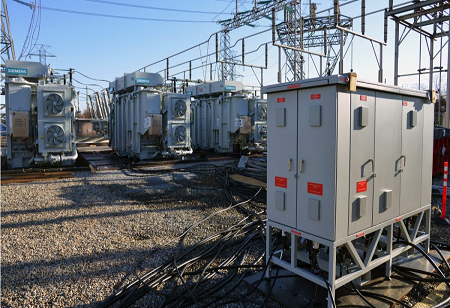
The lithium-ion systems integrate energy management systems and automated telemetry that optimize charging, discharging, and grid services. This capacity improves grid stability, manages peak demand, reduces renewable energy curtailment, and delivers clean power when the system needs it most.
Also Read: How BESS Can Accelerate India’s Clean Energy Shift
Adani Green Energy is not relying on batteries alone. Sagar Adani explicitly states that the company will scale energy storage solutions through both battery and pumped storage. This portfolio approach pairs short-duration BESS flexibility with longer-duration pumped-storage capability.
The combination positions Adani Green Energy differently from pure BESS players or pure generation peers. Batteries handle rapid response and daily peak shifting, while pumped storage can provide firm power over longer periods.
Together they create a more complete storage offering that can serve multiple grid needs as renewable penetration rises.
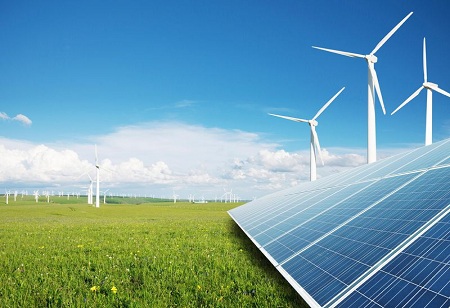
The latest BESS capacity sits inside the company’s 30 GW renewable energy project at Khavda, which spans 538 square kilometers of barren land. Co-locating storage with large generation assets allows Adani Green Energy to capture more value from its own renewable output and reduce curtailment risk. This integration strengthens the commercial case for storage as renewable capacity continues to expand.
India’s rising power demand creates a clear market for storage that can firm up intermittent renewable supply. Adani Green Energy’s early scale, majority share of operational BESS capacity, and dual focus on batteries and pumped storage give it a strong platform.
The company has already demonstrated execution speed and is locking in a leading position while the domestic storage market is still young. Whether these advantages translate into consistent profits will depend on how effectively the firm monetizes its storage assets through grid services, peak support, and integration with its own generation portfolio.
For now, Adani Green Energy has converted policy momentum and execution capability into a commanding early lead in India’s energy storage race.
.jpg "Saksham Enterprises: Optimizing Mission- Critical HVAC Infrastructure For The High Precision Sector")

.jpg "JDS Group of Companies: Innovating Smart Solutions For Modern Power Transmission & Distribution Infrastructure")




We use cookies to ensure you get the best experience on our website. Read more...