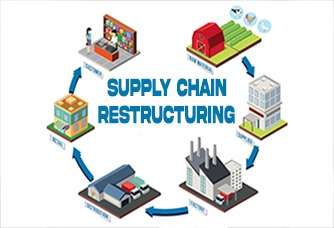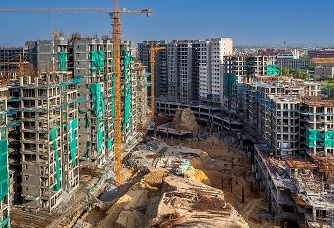
India’s real estate sector is facing mounting pressure as construction costs have risen by more than 25% since global conflicts disrupted supply chains, prompting developers to warn of severe material shortages and possible project delays.
Industry body CREDAI has flagged the growing challenge, saying escalating costs of key materials and logistical disruptions are beginning to weigh heavily on ongoing and upcoming housing projects across the country.
Developers say the sharp increase in costs is being driven by rising prices of critical inputs such as energy, aluminium, glass, steel, and construction chemicals, many of which have been affected by disruptions linked to global geopolitical tensions. The sector is also grappling with labour shortages and transportation bottlenecks, making procurement increasingly difficult and expensive.
Also Read: SBI Bets on Digital First Strategy to Drive Viksit Bharat Vision
Speaking on the issue, industry executives noted that the organized real estate sector is relatively better equipped to absorb short-term disruptions. However, prolonged instability could place significant pressure on project timelines and margins, particularly for mid-sized developers operating on tighter budgets.
According to developers, supply concerns are no longer isolated to imported materials alone. Domestic availability of essential resources is also beginning to tighten in certain regions, creating uncertainty around project completion schedules. Material-intensive segments such as premium residential and commercial developments may face steeper cost burdens due to higher dependence on specialized inputs.
The worsening cost environment has sparked concerns over delays in housing deliveries, with developers increasingly seeking regulatory flexibility to manage timelines. Industry stakeholders have urged authorities to consider easing project deadlines under the country’s real estate regulations if supply disruptions continue for an extended period.
Experts warn that if geopolitical tensions persist, developers may eventually be forced to pass on a portion of the rising costs to homebuyers, potentially pushing property prices upward. While many firms are currently trying to absorb additional expenses to protect demand, sustained inflation in raw materials could make that difficult over time.
The situation is especially concerning for affordable housing and mid-income housing projects, where profit margins are thinner and cost increases are harder to offset. Rising construction expenses, coupled with uncertain material availability, could slow project launches and reduce the pace of new housing supply in major cities.
Despite these pressures, developers remain cautiously optimistic that stability in global supply chains and supportive policy interventions could help the sector navigate the current disruption. For now, however, the combination of rising input costs, material shortages, and logistical uncertainties continues to pose one of the biggest challenges to India’s real estate market in recent years.
.jpg "Precise Fasteners: Committed To Fulfilling Client Expectations, Every Time!")




We use cookies to ensure you get the best experience on our website. Read more...