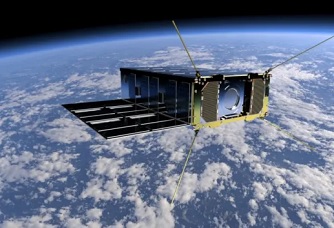
India’s private space sector moved a step ahead today with the successful launch of the Drishti Satellite by GalaxEye aboard a SpaceX Falcon 9.
The Drishti Satellite strengthens Earth Observation capabilities by delivering clear, reliable imaging without being affected by weather or time of day.
Developed in Bengaluru, the satellite introduces a new imaging approach by combining optical sensors with synthetic aperture radar in a single system.
Optical imaging offers sharp visuals but struggles in cloudy or dark conditions, while radar can capture data through obstacles but lacks detail. By merging both, the satellite ensures uninterrupted, high-quality data for consistent Earth Observation.
Also Read: Make-in-India Initiative and Its Impact on Semiconductor Tech
This launch highlights a broader shift in India’s space ecosystem, with private companies now building advanced technologies for global use. The company is preparing to begin commercial data rollout within weeks, targeting sectors such as defense, agriculture, disaster management, and infrastructure monitoring, where real-time insights are critical.
The satellite’s ability to capture accurate data during extreme conditions, including heavy cloud cover or nighttime, is expected to improve how agencies respond to emergencies and track changes on the ground. Faster access to reliable information can enhance planning, monitoring, and decision-making across industries.
GalaxEye CEO Suyash Singh said the satellite has successfully entered orbit and will now undergo commissioning. He added that the company is already witnessing strong international interest in the unique datasets expected from the OptoSAR payload.
Leaders across the space and policy landscape have recognized the mission as a key achievement for India’s growing space ambitions. Looking ahead, the startup plans to expand into a constellation of satellites, ensuring continuous global coverage and quicker data delivery.
With its advanced design and practical applications, the Drishti Satellite is more than just a launch. It marks a turning point in Earth Observation, where visibility challenges no longer limit how the planet is monitored and understood.







We use cookies to ensure you get the best experience on our website. Read more...