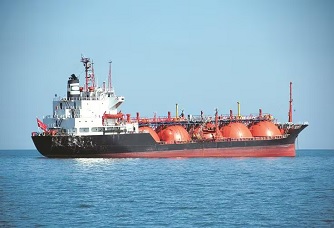
The Saudi oil tanker carrying crude to India is continuing its journey despite rising security concerns in the Red Sea.
The development comes as attacks in the region have slowed shipping traffic through two of the world's busiest energy routes.
Even with growing risks, the vessel remains on course, underlining India's steady crude oil supply from Saudi Arabia.
The tanker, identified as Amal II, is carrying nearly two million barrels of crude. It is expected to arrive at Sikka port in Gujarat on August 8. Another very large crude carrier, Nectar, is also sailing from Saudi Arabia to India. It is scheduled to reach Vadinar port on August 12.
The two shipments come at a time when maritime security remains under pressure. Fresh attacks have raised concerns over global energy trade. However, Saudi crude exports to India continue without disruption.
Commercial vessels passing through the Strait of Hormuz and the Red Sea have reduced speed after recent attacks. According to ship-tracking data from Bloomberg, average vessel speed has dropped over the past week. Tankers carrying oil and fuel are taking extra precautions while crossing high-risk waters. Slower movement helps crews remain alert and respond quickly to potential threats. However, it also increases travel time and operating costs.
Despite these challenges, oil cargo movement has not stopped completely. Major exporters continue to deliver shipments, although they are closely monitoring the security situation. The Red Sea and the Strait of Hormuz remain critical routes for global energy supplies. Any disruption can affect oil prices and supply chains across several countries.
Also Read: Decentralized Waste Management: India's Missing Link to Sustainability
India remains one of the largest buyers of Saudi crude. The arrival of these cargoes reflects the strong energy trade relationship between both countries. The Amal II is a VLCC, or Very Large Crude Carrier. These vessels are designed to transport massive volumes of oil across long distances. Each can carry around two million barrels of crude.
The scheduled arrivals at Sikka and Vadinar will support refinery operations on India's western coast. The cargoes are expected to help maintain steady supplies for domestic fuel production. Industry observers are watching the situation closely. Any further escalation in regional conflict could increase freight costs and insurance premiums.
The latest developments highlight the fragile balance between energy demand and geopolitical tensions. Shipping companies continue to assess risks before entering sensitive waterways. While traffic has slowed, Saudi oil exports to India remain on schedule. This offers some reassurance to refiners and energy markets.

.jpg "AR Enterprises: Building The Supply Networks Behind India's Construction Growth")
.jpg "Industrial Packers: Engineering Industrial Packaging for India's Manufacturing Future")




We use cookies to ensure you get the best experience on our website. Read more...