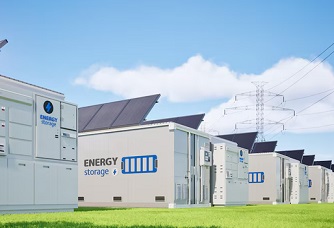
The Union Cabinet has approved a Rs 14,500 crore energy storage scheme to develop 92 GWh of grid-scale storage capacity.
The scheme will run from FY27 to FY31 and is expected to attract Rs 97,600 crore in investments.
The initiative will support pumped hydro storage, battery energy storage systems (BESS) and emerging storage technologies. It aims to strengthen India's electricity grid and support the growing share of renewable energy.
The Cabinet also cleared two other major initiatives. These include a Rs 2,814 crore scheme for critical mineral processing and a Rs 4,371.10 crore program to modernize India's official statistical system.
Under the energy storage scheme, the government has divided the targeted capacity into three categories:
The estimated investment across these projects stands at Rs 97,600 crore. The viability gap funding (VGF) support will improve project viability and encourage investments in large-scale storage infrastructure.
The projects will be allocated through a tariff-based competitive bidding process. Public and private sector electricity distribution companies will be eligible for funding for battery and hydro pumped storage projects. Projects based on alternative storage technologies will also be open to public and private sector entities.
Additionally, battery storage projects will have a minimum domestic content requirement of 40%. This provision aims to encourage local manufacturing and reduce dependence on imported components.
Also Read: India's Consumer Durables Market: The Rise of Premium Demand
The initiative comes as India looks to improve its ability to store renewable electricity and manage peak power demand. Energy storage systems can help balance fluctuations in solar and wind power generation. They can also support reliable and affordable electricity supply.
Prime Minister Narendra Modi said the Rs 14,500 crore allocation would support nearly Rs 1 lakh crore in investments and help develop 92 GWh of storage capacity.
Alongside the energy storage scheme, the Cabinet approved Rs 2,814 crore capital expenditure support scheme for critical mineral processing. It will run for five years, from FY27 to FY31, and focus on developing domestic processing capabilities for lithium and nickel.
The initiative aims to reduce India's dependence on imported refined minerals. These materials are essential for electric vehicles, batteries, electronics, defense and other strategic industries.
Under the scheme, the government will provide a capital subsidy of 30% of eligible investments to establish four processing plants. These will include two lithium plants and two nickel plants.
The key provisions include:
The government said limited domestic processing capacity, high capital costs, technology constraints and raw material availability have contributed to India's import dependence. The scheme aims to strengthen domestic value addition and build more resilient supply chains.
The Cabinet also approved the Viksit Bharat Initiative for Statistical Transformation, Analytics & Research (VISTAR), with an outlay of Rs 4,371.10 crore for FY27 to FY31.
The program will modernize India's official statistical system through digital technologies, artificial intelligence (AI) and improved data collection. It has three components: Comprehensive Statistical Operations and Strengthening of Ecosystem, Support for Statistical Strengthening and Economic Census.
Under VISTAR, the Ministry of Statistics and Program Implementation plans to conduct 59 surveys during the 16th Finance Commission cycle, compared with 43 previously.
The program will also introduce new indicators, including:
Furthermore, the government plans to use alternative data sources, including mobile phone, scanner and e-commerce data, to supplement traditional surveys and reduce the burden on respondents.
The scheme will also support states and Union Territories in improving district-level data on gross domestic product, employment and consumption. It will strengthen the availability of state-level industrial output estimates and support better policy planning. These three Cabinet decisions cover energy infrastructure, critical mineral security and statistical modernization, supporting India's broader economic and industrial development goals.







We use cookies to ensure you get the best experience on our website. Read more...