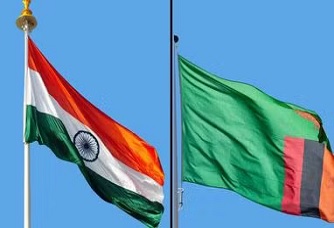
India’s push to secure overseas resources has hit a roadblock as India-Zambia critical minerals talks have stalled due to uncertainty over mining rights, according to sources familiar with the matter.
The delay comes at a time when New Delhi is actively working to strengthen access to key minerals like cobalt and copper, both vital for modern industries.
Last year, India secured an allocation of 9,000 square kilometers in Zambia to explore deposits of cobalt, a crucial component in electric vehicle batteries and mobile phones, and copper, widely used in power generation and construction. A team of Indian geologists conducted fieldwork and returned with mineral samples, confirming the presence of both resources.
Also Read: Driving Process Improvement with Financial Planning in Coatings
The exploration program was designed as a three-year effort, after which India planned to open the bl
ocks to private companies. However, progress now depends on firm assurances from Zambia regarding long-term mining rights. Without that clarity, the next phase remains uncertain. Officials are attempting to revive discussions, but no breakthrough has been reported so far.
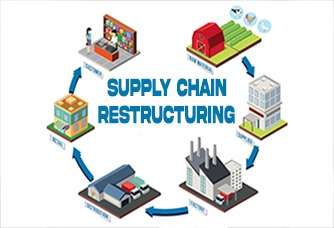
The stalled India-Zambia critical minerals talks reflect broader challenges India faces in securing supply chains amid rising global competition. The country has been engaging with multiple African nations, while also exploring opportunities in Australia and Latin America to diversify its resource base.
The urgency is clear. India’s copper imports have surged since the 2018 shutdown of Vedanta’s Sterlite Copper plant. Imports reached 1.2 million metric tons in the fiscal year ending March 2025. Meanwhile, dependence on cobalt imports remains nearly total, with cobalt oxide shipments rising 20 percent to 693 metric tons in 2024-25.
As global demand tightens, securing stable access to critical minerals is becoming a key priority for India’s economic and industrial strategy.


We use cookies to ensure you get the best experience on our website. Read more...