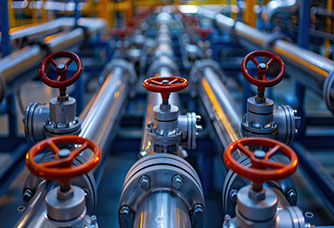
In most industrial and mechanical systems, commercial ball valves are a key component. Their capability to regulate the movement of liquids and gases is a sure way to make them an essential component of the operational effectiveness. The lengthening of the lifespan of these valves is an important factor to lower maintenance costs and eliminate unexpected system downtime. Installation, operation, and maintenance care and attention may greatly enhance the life of valves.
Ball valves are used together with other types of valves such as butterfly valve systems, to offer accurate control of the flow. Knowledge of the factors influencing their functioning assists the operators to sustain a high level of functioning. Lifespan extension does not only entail replacement of parts that have become worn out but also proactive measures that maintain the integrity of valves with time.
Importance of Proper Installation
Long life of the valve starts with the correct installation. Misinstallation may result in uneven wear, leakage or damage to the valve body and seals. Making sure that the ball valves are properly aligned to the piping systems and connections are good is very essential in ensuring operational reliability.
The environment also needs consideration during installation like pressure ratings, temperature limits, etc. Although installed in different designs, butterfly valve installations are considered similar. Strict adherence to manufacturer instructions when setting up will minimize wear and tear and assist in performing valves in a uniform manner.
Regular Inspection and Monitoring
Regular check-up is necessary to detect any early wear and damages. The leak, strange sound, and valve operation check-ups enable the maintenance teams to rectify problems before they escalate. This will avoid unnecessary repairs that are expensive and it will keep the system efficient.
Problems may also be detected through monitoring of the operational parameters including pressure and flow. Ball valves that are exposed to conditions that are beyond their designated capacity can wear faster. Having inspections as a routine maintenance program is a way of making sure that valves are dependable during their service period.
Lubrication and Seal Maintenance
Lubrication is important in ensuring the smooth running of the valve. Lubricated parts will cause less friction and few chances of damage to internal parts. By selecting the appropriate type of lubricant to use in the particular valve and conditions of operation, it will be possible to increase the life of the valve.
Maintenance of seals is also significant. Good seals ensure that there is no leakage and the integrity of pressure. Seals may deteriorate over the period resulting in inadequate performance. Worn seals should also be regularly checked and replaced, which will guarantee that both ball valves and butterfly valve systems are still efficient.
Avoiding Corrosion and Contamination
Valve life may be greatly reduced by exposure to corrosive materials or by exposure to contaminated fluids. The use of materials that are compatible with the medium under operation helps to ensure the safety of the valve body and internal parts. Wear and tear are also minimized by avoiding the accumulation of debris in the system.
Filtration and monitoring of fluid quality are useful in preventing damage of valves. Ball valves as well as butterfly valves can also be protected by corrosion-resistant coating and regular cleaning. All these will decrease the possibility of failure in its operation and increase the general lifespan of the equipment.
Training and Proper Operation
Training of operators is critical to the valve life. Over-torquing or misuse may result in damaged valve parts and performance. The investment in valve systems is safeguarded by making sure that the personnel know how to handle the equipment and how it should operate.
This involves being aware of the boundaries of both ball valves as well as butterfly valve systems. Educating employees to adhere to manufacturer guidelines, to use valves with ease and not to make sudden adjustments to the flow helps to eliminate the needless strain on the parts. Correct operation will also help in extending the life of service and reliability.
Conclusion
To ensure the commercial ball valves are used over a long period of time, the maintenance of the installed valves, inspection, lubrication, prevention of corrosion, and appropriate work must be performed. The practices will guarantee reliability of valves and decrease the number of repairs or replacements.
With the combination of the strategies implemented in maintenance routines, operators will be able to make the most of their valve systems. Determination, preventive maintenance and informed functioning not only secure the ball valves but also help improve the performance of other systems associated with the installation of butterfly valves, which plays a role in the overall efficiency of operations.







We use cookies to ensure you get the best experience on our website. Read more...