Zero-emission CV manufacturing could gain momentum as Tata Motors and Iveco Group bring together their commercial vehicle portfolios and alternative powertrain capabilities under a combined enterprise.
The companies formally marked their combination on November 3, creating the world’s fourth-largest commercial vehicle manufacturer, with annual sales of approximately 590,000 units and combined revenues of around 21 billion euros.
Their technology portfolio spans conventional engines, natural gas, battery-electric and hydrogen-based solutions.
While the combination does not include a newly announced electric or hydrogen vehicle manufacturing investment, its expanded engineering capabilities and international presence create opportunities to advance cleaner commercial vehicle technologies across markets.
The combined enterprise brings together Tata Motors’ commercial vehicle operations in India and Iveco Group’s truck, bus and powertrain businesses across Europe and other markets.
Its capabilities span combustion engines, natural gas, battery-electric vehicles, hydrogen and other low- and zero-emission technologies. The companies have identified advanced powertrains, alternative energy and manufacturing as areas for collaboration.
For zero-emission CV manufacturing, the opportunity lies in connecting engineering knowledge, product platforms and market access across a business selling about 590,000 vehicles annually.
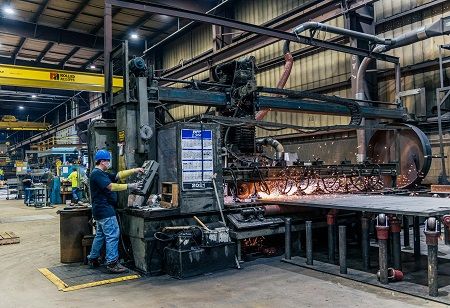
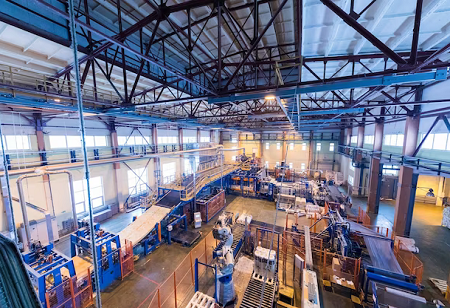
The group has 27 manufacturing sites and 25 R&D centers, but has not announced plans to consolidate facilities or dedicate specific plants to electric or hydrogen vehicle production.
Also Read: Indian Commercial Vehicle Industry 2026: Trends and Opportunity
Hydrogen could suit applications where long operating hours, payload requirements and refueling time make battery-electric operation challenging.
Tata Motors is progressing both pathways. In February 2026, it signed an agreement with V.O. Chidambaranar Port Authority to deploy 40 hydrogen internal combustion engine-powered heavy-duty prime movers over two years.
Tata Motors has also begun hydrogen truck trials on freight corridors and secured an order for 15 hydrogen fuel-cell electric buses.
Tata Motors Chairman N Chandrasekaran indicated that the company would scale zero-emission electric commercial vehicles while continuing to invest in hydrogen for heavier-duty segments, underlining the need for multiple powertrain options.
In January 2026, Tata Motors introduced electric trucks spanning 7 to 55 tons for urban, regional, construction and port applications. The combination could widen market access, drawing on Iveco’s presence in Europe and Latin America and Tata Motors’ position in India and emerging markets.
For zero-emission CV manufacturing, potential collaboration areas include battery systems, power electronics, vehicle software and production engineering.
The opportunity will depend on aligning product development with regional regulations, charging and hydrogen infrastructure, vehicle costs and fleet requirements.
Battery-electric trucks need reliable charging and grid capacity, while hydrogen vehicles need affordable low-carbon hydrogen and refueling networks. Technology sharing, manufacturing integration and investment decisions will determine whether these will translate into commercial products.
Tata-Iveco now brings together a broader technology base and international footprint. Its contribution to zero-emission CV manufacturing will be measured by how quickly cleaner trucks and buses become commercially viable for fleet operators.





We use cookies to ensure you get the best experience on our website. Read more...