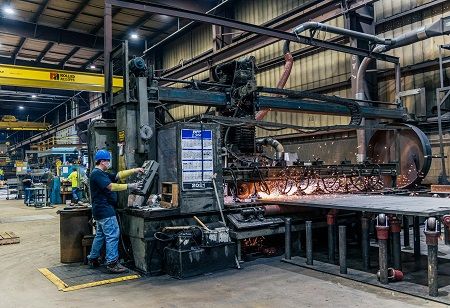
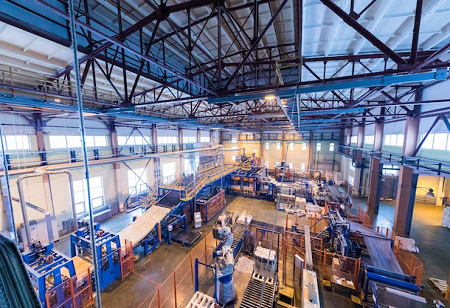
Working in a factory can feel like living inside a hot oven with dust swirling around every corner. Standard fans barely make a dent when ceilings soar, and machines roar. Durable ceiling fans built for factory environments are designed to handle the heat, dust, and constant vibration that would wear down ordinary fans. They keep air moving efficiently, making the workspace more comfortable and safer for everyone. Choosing the right fan is not just about airflow; it’s about finding one that survives the tough conditions day after day.
In high-bay factories, size is everything when it comes to moving air effectively. Bigger fans with longer blades can push a gentle breeze across wide floor spaces, reaching workers even under towering ceilings. Choosing the right size ensures every corner of your facility gets airflow without wasting energy.
Factory floors are full of dust, heat, and harsh conditions that would wear down a regular fan in no time. Durable ceiling fans made from corrosion-resistant materials and protected with protective coatings can handle these challenges day after day. They keep running smoothly while keeping the air clean and comfortable for everyone below.
Factory ceiling fans need motors that can handle long hours without slowing down or breaking under pressure. Here’s what to look for when evaluating motor performance in industrial fans:
Direct-drive motors connect directly to the fan blades, which means fewer parts wear out over time. This makes them low-maintenance and quieter than other options, perfect for maintaining a steady airflow without interruptions.
Gear drive motors use a system of gears to turn the blades, giving them extra torque for heavy-duty performance. They are built to handle constant vibration and demanding conditions, making them ideal for large factory spaces.
A motor that can survive dust, heat, and long operational hours keeps your fans running longer and reduces costly downtime. Choosing reliable motors means less maintenance and more consistent airflow throughout the facility.
Motors that are well-matched to the fan size move air efficiently without using unnecessary energy. This saves on electricity costs while still keeping workers comfortable and machines cool.
High-bay fans can move massive amounts of air without eating up your electricity bill. By using energy-efficient designs and adjustable speeds, they keep the workspace comfortable while reducing energy consumption. Smart controls let you fine-tune airflow so the right amount of air reaches every corner of your factory.
Factory floors are full of heavy machinery that can shake even the toughest fans. Fans designed for vibration resistance use reinforced mounts and balanced blades to remain steady under continuous motion. This stability keeps them running smoothly and prevents wobbling that could shorten their lifespan.
Even the toughest factory fans need a little care to keep running smoothly. Simple maintenance can save time, prevent downtime, and extend the life of your fans.
Industrial fans built for factory spaces usually feature quick-release blades or a surface that can be wiped clean to remove dust and grime. Regular cleaning prevents the accumulation of dirt that can limit airflow and cause the motor to work harder.
Look for fans with accessible motors and components so you can check belts, mounts, and wiring without complicated disassembly. Quick inspections help catch small issues before they turn into costly repairs.
Some factory fans use sealed bearings or self-lubricating motors to reduce oiling frequency. Therefore, maintenance time is reduced, and performance remains stable on a daily basis.
Durable fans often have standardized parts that are easy to swap if something wears out. This speeds up repairs and keeps your facility running without long interruptions.
Some factory fan setups come with extra features that make life easier and improve comfort for everyone on the floor. These bonuses go beyond airflow and help your fans work smarter, not harder.
Fans with remote or automated controls let you adjust speed and direction without climbing ladders. This makes it easy to respond to changing conditions and keeps operations running smoothly.
A number of industrial fans have built-in sensors to monitor temperature, humidity, and occupancy. Based on the readings, they regulate airflow for workers' comfort and safety, and also help save energy and extend the fan's lifespan.
Certain industrial fans are designed to operate quietly even at high speeds. This keeps the workspace more pleasant and reduces employee distractions.
Bonus features in factory fans, such as built-in dust deflectors or optimized airflow patterns, help reduce airborne particle concentrations. Cleaner air enhances worker comfort and may also save sensitive machinery from being clogged with dust.
Advanced fans can connect to HVAC or building automation systems for coordinated climate control. This makes it easier to manage energy use and maintain consistent conditions across large facilities.
Choosing the right fan is about more than just moving air; it’s about finding a solution that can handle tough conditions day after day. Durable ceiling fans built for factory environments combine size, strength, and smart features to keep workers comfortable and operations running smoothly. With the right survival specs, your fans will not only last longer but also make your high-bay space safer and more efficient.







We use cookies to ensure you get the best experience on our website. Read more...