India’s engineering sector is increasingly stepping onto the global stage, with major companies securing high-value international contracts.
Recent overseas wins, particularly large-scale infrastructure and EPC (engineering, procurement, and construction) orders, are raising a key question.
Which is, are these deals simply business as usual, or do they mark a deeper shift in India’s industrial trajectory.
As Indian firms expand beyond domestic boundaries, the implications could stretch far beyond balance sheets, influencing competitiveness, exports, and global positioning.
Indian engineering companies have steadily increased their presence in international markets over the past decade. From the Middle East to Africa and Southeast Asia, firms are participating in critical infrastructure projects, energy developments, and industrial expansions.
Larsen & Toubro (L&T), which has secured significant global orders worth between Rs 2,500 crore and Rs 5,000 crore through its Heavy Engineering business. The contracts underline the company’s growing role in delivering high-value, complex engineering solutions across international markets.
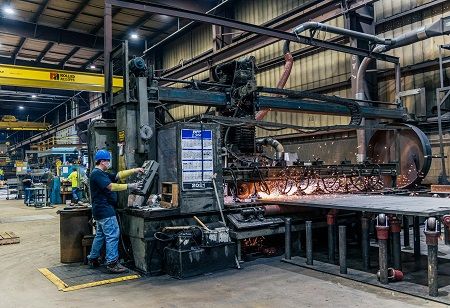
The scope of these orders includes the supply of critical process equipment, notably some of the world’s largest and most advanced heavy engineering components used in core industrial sectors.
These are highly specialized systems that require precision manufacturing, advanced metallurgy, and stringent quality standards areas where L&T has demonstrated consistent capability. These wins position L&T not just as a supplier, but as a key technology and execution partner in global industrial projects.
Also Read: Reducing Biomass Fire Risks with Smarter Yard Engineering
Several factors are contributing to this rise. First, India’s domestic infrastructure boom has provided companies with experience in handling large and technically demanding projects.
Second, competitive pricing combined with improved quality standards has made Indian firms attractive partners globally. Therefore, government initiatives aimed at boosting exports and strengthening manufacturing have played a supportive role. The push for Make in India and the focus on building world-class infrastructure domestically have indirectly prepared companies for international opportunities.
A key highlight from Larsen & Toubro’s latest global wins is its repeat order from a Japanese client, highlighting sustained trust in its manufacturing and engineering capabilities. If sustained, this trend could mark a turning point.
Increased overseas exposure brings higher revenues, diversification of risk, and global brand recognition. It also encourages technology adoption and innovation, as companies must meet international standards.
The company has also secured new orders from clients in Spain, the United States, and Brazil for critical process equipment such as coke drums, fractionator columns, and heat exchangers.
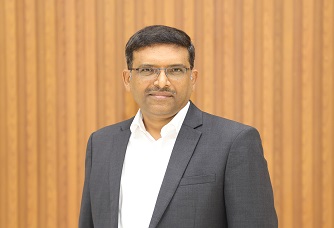
"These orders reaffirm the trust and confidence that customers place in L&T’s world-class manufacturing capabilities and its consistent track record of delivering high-quality process equipment to global clients," said Anil Parab, Whole-time Director and Senior Executive Vice President, Manufacturing, L&T.
These are highly specialized components used in core industrial and refining processes, indicating L&T’s strong positioning in complex, high-value manufacturing. Moreover, this success abroad can create a ripple effect within India. It can boost investor confidence, attract foreign partnerships, and create jobs across the supply chain.
Despite the optimism, challenges persist. Global competition is intense, with established players from Europe, China, and the US dominating key markets. Geopolitical uncertainties, currency fluctuations, and regulatory complexities can also impact project execution.
Furthermore, scaling operations globally requires strong financial backing, risk management capabilities, and local partnerships, areas where Indian firms are still evolving. Overseas wins by Indian engineering firms are more than isolated successes, they reflect a gradual but meaningful shift in the sector’s capabilities and ambitions.
.jpg "Textile Special")


We use cookies to ensure you get the best experience on our website. Read more...