In a major development for India’s aerospace ambition, GE Aerospace and Hindustan Aeronautics Limited have completed crucial technical negotiations for the co-production of the F414 fighter jet engine in India, bringing the long-anticipated deal significantly closer to execution.
The agreement, once finalized, is expected to mark one of the most advanced instances of defense technology collaboration between India and the United States.
Technical milestone achieved
Officials familiar with the matter said the two sides have aligned on the technical configuration, manufacturing processes, and integration framework required to produce the F414 engines locally.
This stage is considered the most complex in such high-technology defense partnerships, involving detailed agreements on:
With this phase concluded, the project now moves into commercial negotiations, which will determine pricing, production volumes, timelines, and contractual obligations.
Also Read: How India's Machine Tools Industry Is Gaining Global Momentum
The Engine at the Center
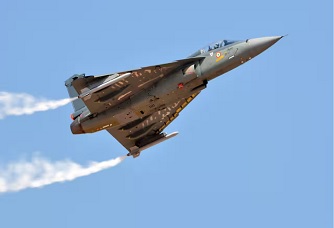
The F414 engine is a proven, high-thrust turbofan widely used in modern fighter aircraft. Known for its reliability and performance, it is expected to power India’s next-generation fighter platforms, particularly the upcoming variants being developed by HAL.
For India, gaining the capability to produce such an engine domestically represents a critical leap in aerospace manufacturing.
India’s defense aviation ecosystem has historically faced challenges in developing indigenous jet engines, with multiple programs struggling to achieve the required performance benchmarks.
As a result, the country has remained dependent on foreign suppliers for propulsion systems—often leading to:
The GE–HAL partnership aims to address these gaps by enabling local manufacturing backed by technology transfer.
Technology Transfer and Capability Building
A key aspect of the proposed agreement is the transfer of critical manufacturing know-how. While full details remain undisclosed, officials indicate that the arrangement will allow Indian engineers and firms to participate in:
This is expected to create a domestic ecosystem involving both public and private sector players, strengthening India’s long-term aerospace capabilities.
Impact on Defense Preparedness
The local production of F414 engines is likely to have a direct impact on India’s military readiness.
By reducing reliance on imports, it could:
For the Indian Air Force, which faces a gap in fighter squadron strength, such improvements are seen as critical.
Strategic and Geopolitical Context
Beyond industrial benefits, the agreement underscores a broader shift in India–US defense ties. The willingness to collaborate on advanced propulsion technology reflects growing trust and alignment between the two countries.
Analysts note that such partnerships are increasingly central to India’s push for self-reliance in defense manufacturing, while also integrating it more deeply into global aerospace supply chains.
What Lies Ahead
With technical discussions concluded, the focus now shifts to finalizing commercial terms. This phase will determine the structure and scale of the project, including:
Once signed, the agreement will pave the way for establishing production infrastructure in India, with initial outputs expected over the next several years.
While the final contract is still awaited, the completion of technical negotiations represents a decisive step forward. If executed as planned, the GE–HAL F414 engine program could significantly reduce India’s dependence on imported propulsion systems and position the country among a select group with advanced jet engine manufacturing capabilities.







We use cookies to ensure you get the best experience on our website. Read more...