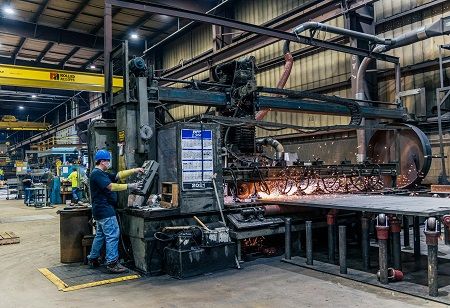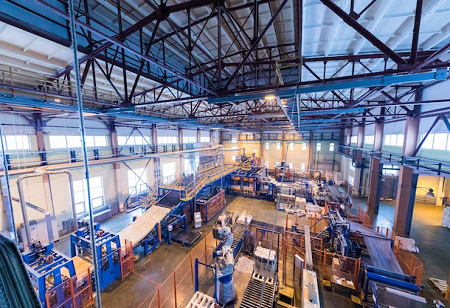
Explosives manufacturing is set to undergo significant changes as the government increases its focus on automation to improve worker safety and reduce the risk of industrial accidents.
The move comes after a series of fatal incidents at explosives factories across the country. Officials believe that greater use of technology and automation in explosives manufacturing can help minimize human exposure to hazardous processes and strengthen safety standards across the sector.
Speaking at an industry event, a senior official from the Department for Promotion of Industry and Internal Trade (DPIIT) said the government is examining ways to automate critical operations in explosives units. The initiative is aimed at creating safer workplaces while ensuring the industry's continued growth and compliance with safety regulations.
Handling explosives remains one of the most dangerous industrial activities, making worker safety a major concern for regulators. Authorities are now working with industry stakeholders to identify manufacturing processes that can be automated.
The move follows several accidents in recent years, including a deadly explosion at an explosives factory in Nagpur district in March 2026. The incident claimed 19 lives and left 23 people injured, highlighting the urgent need for stronger safety measures.
Officials said automation can reduce direct human involvement in high-risk operations, lowering the chances of workplace accidents while improving monitoring and operational efficiency.
Also Read: Decentralized Waste Management: India's Missing Link to Sustainability
The government has already taken steps to modernize the sector through the adoption of electronic detonators. Older electric detonators have been phased out and replaced with advanced electronic systems.
According to officials, electronic detonators offer improved traceability by recording details such as the location and timing of detonations. This allows authorities and companies to monitor operations more effectively and investigate incidents with greater accuracy when required.
The shift is part of a broader effort to modernize the explosives industry while maintaining strict safety standards.
Authorities have also tightened safety regulations for the explosives sector. New standards introduced in 2025 are aimed at improving operational practices and preventing accidents.
Alongside regulatory changes, the government is increasing manpower at the Petroleum and Explosives Safety Organisation (PESO). Training programs are being conducted to raise awareness about safety requirements and ensure better adherence to standard operating procedures (SOPs).
Officials said collaboration between regulators and manufacturers will remain crucial as the industry adopts new technologies and safety systems.
The government's focus on automation comes at a time when India is also pushing industrial growth through infrastructure development and investment promotion. By combining technological upgrades with stricter compliance measures, policymakers aim to create a safer and more efficient explosives manufacturing ecosystem.
The Department for Promotion of Industry and Internal Trade (DPIIT) functions under the Ministry of Commerce and Industry. It is responsible for promoting industrial development, improving ease of doing business, attracting investments, and formulating policies related to industry and internal trade in India.
The Petroleum and Explosives Safety Organisation (PESO) is India's regulatory body for the safety of petroleum, explosives, compressed gases, and other hazardous substances. The organization oversees licensing, inspections, and enforcement of safety standards to protect lives and property.
.jpg "Textile Special")






We use cookies to ensure you get the best experience on our website. Read more...