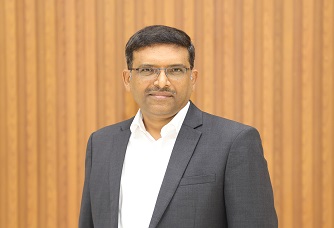
In an exclusive interaction with Thiruamuthan, Assistant Editor at Industry Outlook, Jeyamalini Natesan, CHRO, Ashirvad by Aliaxis, discusses how evolving HR models enable India’s manufacturing sector to adapt to automation by reshaping skill development, deployment, and recognition. She highlights the importance of embedding learning into everyday work so that inclusion is reinforced, women can build long-term careers, and productivity growth moves in step with dignity and resilience.
Jeyamalini Natesan is a strategic people transformation leader with over two decades of experience shaping HR strategy, workforce planning, organisational change, and inclusive talent systems across complex manufacturing ecosystems.
With automation accelerations and cluster expansions reshaping India’s manufacturing landscape, how are HR models evolving to meet emerging digital workforce expectations?
Automation has made skill agility more critical than headcount scale. As intelligent systems increasingly handle repetitive and rule-based tasks, the real differentiator for organizations is how quickly their workforce can adapt, reskill, and redeploy. Consequently, HR models are moving away from rigid role definitions toward dynamic capability ecosystems that prioritize continuous learning, cross-functional exposure, and outcome-driven performance over static job descriptions.
A practical example of this shift can be seen in how we operate at Ashirvad. We have been successful in building digitally fluent shop-floor talent by deliberately redesigning job architecture around multi-skilling, digital KPIs, and internal mobility, rather than hiring into isolated functional silos.
This approach has enabled faster adoption of automation, improved productivity, and greater workforce resilience. The broader industry direction is clear: the workforce of the future will be defined by adaptability and capability depth, not by narrowly defined job titles
Also Read: Evolution of Compensation and Benefits in Industrial Machinery Manufacturing
As MSME clusters rapidly adopt data-led systems, how are HR teams strengthening workforce planning capabilities to support scalable skills deployment across units?
Workforce planning today increasingly relies on predictive insights rather than manual role mapping. The most effective models integrate real-time production data, skill inventories, and learning progress into a single, decision-ready view, enabling faster, more accurate talent deployment aligned with operational demand. In our case, cluster-wide visibility has enabled us to redeploy trained talent across units, significantly reducing ramp-up time at new facilities. Programmes such as the National Apprenticeship Promotion Scheme and Ashirvad Plumbing Schools further ensure a stable, scalable skills pipeline—an approach that both MSMEs and large organizations can realistically adopt.
The workforce of the future will be defined by adaptability and capability depth, not by narrowly defined job titles.
With advanced machinery adoption widening skill gaps on shop floors, how are companies redesigning learning pathways to strengthen readiness in manufacturing clusters?
Learning has moved closer to the production line. Instead of pulling workers away for long classroom programmes, effective upskilling now happens alongside daily work. The focus is on continuous, application-led learning that strengthens capabilities in real time, without disrupting output or operational efficiency. At Ashirvad, our 72-day certified Plumbing School programme builds foundational skills for new entrants, while on-the-job shadowing, peer coaching, and short classroom interventions add depth without productivity loss. This reflects the industry-wide shift toward continuous workplace learning rather than episodic training conducted outside the shop floor.
With factories intensifying productivity targets amid rapid automation, what cultural shifts must HR lead to strengthen inclusion and empower shop-floor talent?
When automation increases, dignity and inclusion must rise alongside it. HR has a critical role in preventing the emergence of a cultural divide between machine specialists and shop-floor operators. Our experience shows that thoughtfully designed initiatives that reinforce shared identity, belonging, and collective accountability can make a measurable difference across the workforce. Creating an environment where workers feel confident to contribute ideas, seek guidance without hesitation, and take pride in continuous learning strengthens both morale and performance.
In such cultures, inclusion is not positioned as a separate agenda but as a performance enabler. When people feel respected and empowered, productivity, collaboration, and adaptability improve together rather than competing for attention.
With robotics and connected technologies expanding across industrial hubs, how are new HR models improving retention and advancement for women in manufacturing?
Technology has lowered physical barriers for women entering manufacturing, but long-term retention depends on clear and credible growth pathways, not just access at the entry level. HR models must therefore focus on making career progression visible, accessible, and free from bias, ensuring women can advance based on capability, performance, and learning opportunities.
In our case, gender-neutral KPIs, accelerated skill pathways and inclusive policies, including strengthened maternity, adoption and surrogacy support, have helped women view manufacturing as a long-term career. The lesson for industry is simple: retention follows opportunity and dignity, not just hiring targets.
As AI-driven workflows begin reshaping competency needs across clusters, what future-ready HR frameworks will be crucial for sustaining adaptability in industrial workforce?
The future of work will be defined by HR frameworks that embed learning into the very fabric of employment. We see three forces driving the most profound change:
Skills as currency: Growth and rewards are now tied to certified capabilities rather than tenure, ensuring merit-based progression.
Seamless mobility: We design pathways across plants and functions to align talent with evolving business and technology needs.
Always-on learning: Short, digital bursts and hands-on upskilling are integrated into daily workflows, making learning continuous and effortless.
Together, these elements form what we call a learning-first employment contract, a model that empowers manufacturing clusters to adopt AI-driven workflows at speed while ensuring every worker moves forward, not left behind.
.jpg "Textile Special")

We use cookies to ensure you get the best experience on our website. Read more...