This workflow treats installation as project development, with a decision or deliverable at each stage.
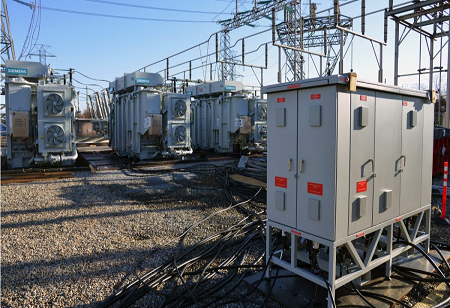
A commercial EV charging hub should be judged as a total infrastructure project, not a charger purchase. Grid readiness, transformer needs, civil works and software shape CapEx, while utilization, tariff and operating costs decide returns.
Subsidy support is conditional, so businesses should verify eligibility, model each site individually, and design capacity around demand, not charger rating.
Also Read: Karnataka Manufacturing Industry 2026: Policy & Key Sectors
.jpg "Saksham Enterprises: Optimizing Mission- Critical HVAC Infrastructure For The High Precision Sector")

.jpg "JDS Group of Companies: Innovating Smart Solutions For Modern Power Transmission & Distribution Infrastructure")




We use cookies to ensure you get the best experience on our website. Read more...