There is no single figure. Cost depends on charger capacity, number of guns, transformer and grid requirements, civil works, land, and software. Published estimates span a wide range, from modest AC sites to multi-crore fast-charging hubs, so businesses should build a project-specific budget rather than rely on a national average.
Hardware prices vary by manufacturer, specification, and connector count, and the charger is only part of the project cost. For reference, government scheme benchmarks put a 50 kW CCS-II charger at about Rs 7.25 lakh, before upstream infrastructure, installation, and software. Obtain current quotes for the full scope.
No single price applies. A reported government benchmark for a 100 kW CCS-II charger is about Rs 11.68 lakh, but a 120 kW station also requires upstream electrical works, civil development, and software. Those depend on site and DISCOM requirements, so a fixed figure would be unreliable.
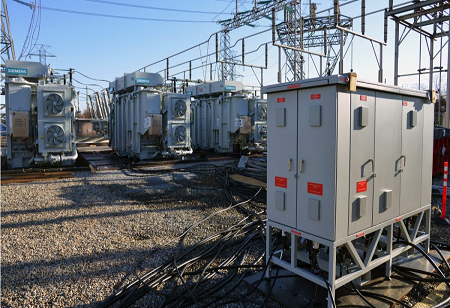
Transformer cost depends on rating, HT or LT configuration, installation arrangements, and who funds the connection. It is part of the upstream infrastructure that scheme benchmarks estimate at roughly Rs 6.04 lakh to Rs 24 lakh depending on charger capacity. Confirm site-specific costs with the DISCOM and a qualified contractor.
Typical requirements include a sanctioned load or load enhancement, a transformer where needed, HT/LT connection, switchgear, distribution panels, cabling, protection systems, metering, earthing, and power-quality equipment. The exact scope depends on total charger capacity and existing site supply.
It can be, but profitability depends on utilization, tariff, electricity and demand charges, rent, downtime, maintenance, and financing cost. Returns differ widely by location and load profile, so no fixed payback period applies. Projects should be modeled site by site, with utilization as the central assumption.
PM E-DRIVE supports public charging infrastructure, but not universally. Support depends on location category and eligible implementing entities, and is largely directed at upstream infrastructure, with equipment support in some categories. Confirm eligibility against current Ministry of Heavy Industries guidelines before assuming any subsidy.
Timelines vary. A site with spare load and simple civil needs can move faster, while projects needing load enhancement or a new transformer take longer, and DISCOM processes are often the least predictable step. Plan the schedule around grid approvals, not charger delivery.
Dennis M is a Correspondent at The Industry Outlook, covering developments across India’s manufacturing landscape. His primary areas of focus include manufacturing, equipment and machinery, along with industrial services and solutions supporting manufacturing operations. His work examines industry trends, technology adoption, investments, and developments shaping the manufacturing ecosystem.
.jpg "Saksham Enterprises: Optimizing Mission- Critical HVAC Infrastructure For The High Precision Sector")

.jpg "JDS Group of Companies: Innovating Smart Solutions For Modern Power Transmission & Distribution Infrastructure")




We use cookies to ensure you get the best experience on our website. Read more...