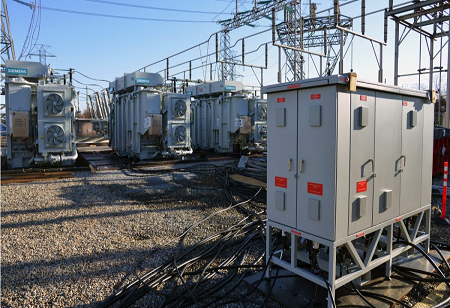
Charger capacity, sanctioned load, transformer requirements, and grid connection are linked. A decision on one reshapes the others, which is why electrical design should be settled before hardware is finalized.
Raising charger capacity can trigger a chain of requirements:
A site that adds a few DC chargers may cross a threshold where a separate transformer becomes necessary, and the project's cost and schedule change materially at that point.
At a high level, the pathway runs from site assessment to load assessment, DISCOM application, connection or upgradation, electrical infrastructure, charger installation, testing and commissioning.
Procedures, fees and timelines differ by DISCOM and state, so developers should confirm requirements with the utility serving their site rather than assume a common national process.
A site with adequate existing load, a nearby transformer, a short cable route and suitable parking can have a very different CapEx profile from a greenfield site that needs major electrical upgrades. Two hubs with identical chargers can therefore carry very different budgets.
For this reason, grid readiness is often a more useful screening criterion for site selection than land price alone.
Also Read: India's Rubber Industry: Supply, Costs & Growth Outlook to 2027
.jpg "Saksham Enterprises: Optimizing Mission- Critical HVAC Infrastructure For The High Precision Sector")

.jpg "JDS Group of Companies: Innovating Smart Solutions For Modern Power Transmission & Distribution Infrastructure")




We use cookies to ensure you get the best experience on our website. Read more...