Passenger train manufacturing in India could enter a new phase as Jupiter Wagons Limited partners with Poland’s PESA Bydgoszcz to explore local production of locomotives and passenger rail vehicles.
The agreement, signed during the Poland-India Economic Forum in New Delhi on October 22, 2026, establishes a framework for technology transfer, joint manufacturing and railway component production.
It also opens the possibility of collaboration on hydrogen-powered vehicles and railway decarbonisation.
The development adds to Jupiter Wagons' product range, but it also shows how working with international technology partners can help Indian manufacturers build expertise in advanced rolling stock to meet the nation’s growing mobility requirements.
The cooperation agreement covers three principal areas:
For Jupiter Wagons, the partnership provides a potential route to expand beyond its established freight-wagon business into more technologically specialized passenger rail products.
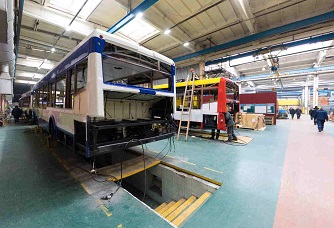
PESA, meanwhile, brings experience in designing, manufacturing and maintaining passenger rolling stock, including trains, trams and metro vehicles. The collaboration could combine this expertise with Jupiter Wagons’ domestic manufacturing capabilities and knowledge of the Indian railway market.
PESA chief executive Krzysztof Zdziarski described India as one of the world's most attractive railway markets and indicated that the partnership could become an important part of the Polish manufacturer's international expansion.
Also Read: Indian Commercial Vehicle Industry 2026: Trends and Opportunity
The partnership could create opportunities for domestic suppliers; local production of advanced passenger vehicles typically requires specialized engineering, quality assurance and coordinated component sourcing.
Potential areas of industrial development include:
The agreement also envisages cooperation on railway decarbonisation, including the development of hydrogen-powered vehicles.
Hydrogen technology could be relevant to railway routes where full electrification is technically difficult or economically challenging.
For Jupiter Wagons, participation in such projects could eventually create opportunities in emerging rail technologies. For PESA, the Indian market could offer a route to extend its international presence through a domestic manufacturing partner.
The agreement creates a potential pathway for passenger train manufacturing in India to incorporate international engineering expertise while expanding domestic industrial capabilities.
If the companies translate their cooperation into manufacturing programs, the partnership could strengthen India's passenger-rail supply chain and open new avenues for advanced mobility technology.
For now, the next milestones will be concrete production plans, confirmed investments and clarity on the vehicles and components to be manufactured locally.






We use cookies to ensure you get the best experience on our website. Read more...