Tata Electronics is set to sign 16 Memorandums of Understanding at SEMICON India 2026 as the company expands its semiconductor partnerships and strengthens its presence across the industry.
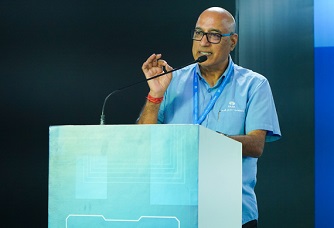
CEO and Managing Director Randhir Thakur said the agreements will support the development of India’s semiconductor ecosystem and bring more companies into the country’s growing chip manufacturing network.
The move comes as India pushes to build domestic capabilities across semiconductor manufacturing, packaging, design, equipment and materials.
The planned partnerships are expected to widen the network supporting Tata Electronics’ semiconductor projects and create more opportunities for suppliers, technology companies and skilled professionals.
Tata Electronics will sign 16 MoUs at SEMICON India 2026, according to CEO and Managing Director Randhir Thakur. The company is developing a semiconductor fabrication facility in Dholera, Gujarat, along with an outsourced semiconductor assembly and test facility in Assam. Tata Electronics has also established partnerships with companies including ASML, Merck and C-DAC as it builds its semiconductor operations. The announcements come as India expands government support for semiconductor manufacturing and related technologies.
The planned MoUs are part of Tata Electronics’ wider effort to build partnerships across the semiconductor supply chain. The company is working with global technology providers and Indian institutions as it develops its manufacturing capabilities.
Thakur highlighted the growth of India’s electronics sector, which he said has expanded from around ₹2 lakh crore in 2014 to more than ₹13 lakh crore in 2026. He also pointed to the role of the India Semiconductor Mission in supporting manufacturing projects and developing the ecosystem around them.
Tata Electronics is building its semiconductor fabrication facility at Dholera in Gujarat. The company is also setting up an outsourced semiconductor assembly and test facility in Assam.
Its partnerships include a collaboration with ASML involving lithography equipment for the Dholera facility. The two companies are also working on areas including supply chains, talent development and research.
Other collaborations with companies such as Merck and institutions including C-DAC are aimed at supporting different parts of the semiconductor ecosystem.
Key areas of focus include:
Also Read: India Strengthens Semiconductor Push as Global Chip Industry Expands
SEMICON India 2026 brings together semiconductor manufacturers, equipment suppliers, technology companies, investors, startups, research institutions and government representatives.
The event reflects India’s broader effort to build an ecosystem that extends beyond chip manufacturing. Areas such as semiconductor design, advanced packaging, equipment, materials and research are becoming important parts of the country’s strategy.
The government has also expanded its semiconductor programme through Semicon 2.0, approved in July 2026 with an outlay of ₹1.27 lakh crore.
The programme covers semiconductor fabrication, chip design, advanced packaging, equipment and materials, research and development, and talent development.
India has approved 12 semiconductor projects across six states, involving investments of more than ₹1.64 lakh crore. Three projects have already entered commercial production.
Alongside manufacturing investments, the government is focusing on developing the workforce required by the industry. More than 68,000 students have received semiconductor-related training under the Chips to Startup programme.
Also Read: India Eyes Ship-Recycled Steel to Strengthen Domestic Manufacturing
Tata Electronics’ planned 16 MoUs add another layer to India’s efforts to develop a domestic semiconductor industry. More partnerships could bring additional technology providers, suppliers and ecosystem companies into the sector.
The company’s projects in Gujarat and Assam are also expected to connect manufacturing, assembly and testing capabilities within India.
For Tata Electronics, expanding these partnerships will be important as it moves ahead with its semiconductor investments. For India, the growing network of companies around these projects could help develop capabilities across more stages of the chip value chain.
The 16 planned agreements at SEMICON India 2026 therefore mark another step in the expansion of Tata Electronics’ semiconductor operations. The focus now remains on building the partnerships, infrastructure and skilled workforce needed to support India’s longer-term semiconductor ambitions.





.jpg "Building EV Bus Ecosystems for India's Clean Mobility Goals")

We use cookies to ensure you get the best experience on our website. Read more...