Telangana has unveiled its bold vision under the “Telangana Rising 2047” roadmap, setting its sights on becoming a net-zero state by 2047. The plan calls for 100% electric transport across the state by 2030, with Hyderabad expected to host the country’s largest electric bus fleet.
In the context of Energy, Telangana has already generated 11,399 MW of renewable energy capacity and has an objective of adding an additional 20,000 MW by 2030 as a result of passing "Green Energy Policy 2.0" to legally integrate renewable energy sources into the grid and energy storage infrastructure of the state.
The transformation of Telangana's economy also includes industrial decarbonisation, smart agriculture, creating wealth from waste (Waste To Wealth) and growth in the Renewable Energy Infrastructure in the state.
Also Read: How to Create a Custom Net-Zero Strategy for Your Business
In the Agriculture Sector, various areas will begin using solar energy based equipment (tools), energy efficient pumps and smart water farming to reduce water consumption in the production of rice. Methane emissions from animals raised for food will be reduced by 30–40%. Including in the Agricultural sector are solar micro grids, electric tractors and biochar.
Transforming Industries is just as ambitious. Examples include projects for capturing carbon dioxide from combustion, developing eco-industrial parks from red/orange tagged industries within the Outer Ring Road, and constructing large scale battery energy storage systems in critical zones.
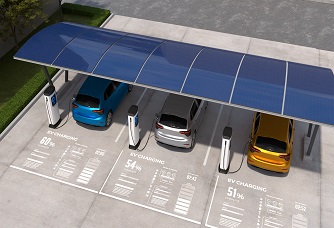
Transportation Systems and Urban Mobility must be completely overhauled. The objective is to employ over 2,000 electric RTC buses by 2047, supported by the addition of 6,000 Public Charging Stations by 2030. The proposed Telangana Mobility Valley (TMV) is envisioned as a National Hub for the production of EVs and hydrogen based transportation technologies.
.jpg "Precise Fasteners: Committed To Fulfilling Client Expectations, Every Time!")
We use cookies to ensure you get the best experience on our website. Read more...